

By H3 Pest Control · Associate Certified Entomologist (ACE) · Serving Eugene, Corvallis, Albany, Salem and the Willamette Valley
It’s a rainy fall evening in Eugene or Corvallis. You walk into the living room and a big, brown, fast-moving spider is sprinting across the floor. Your first thought, and probably your next Google search, is the same question we hear from homeowners every year: is that a hobo spider?
Here’s the honest answer. In most Willamette Valley homes, that spider is a giant house spider or another harmless funnel-web weaver, and even a true hobo spider is far less dangerous than its reputation suggests. The harder truth is that you usually can’t tell the two apart just by looking. This guide explains why, what the research actually says, and how to keep big spiders from moving into your home.
If you would rather have a professional handle it, H3 Pest Control provides spider control in Eugene, Corvallis, and communities throughout the Willamette Valley, with free estimates and honest recommendations.
The Short Answer: Most “Hobo Spiders” Aren’t Hobo Spiders
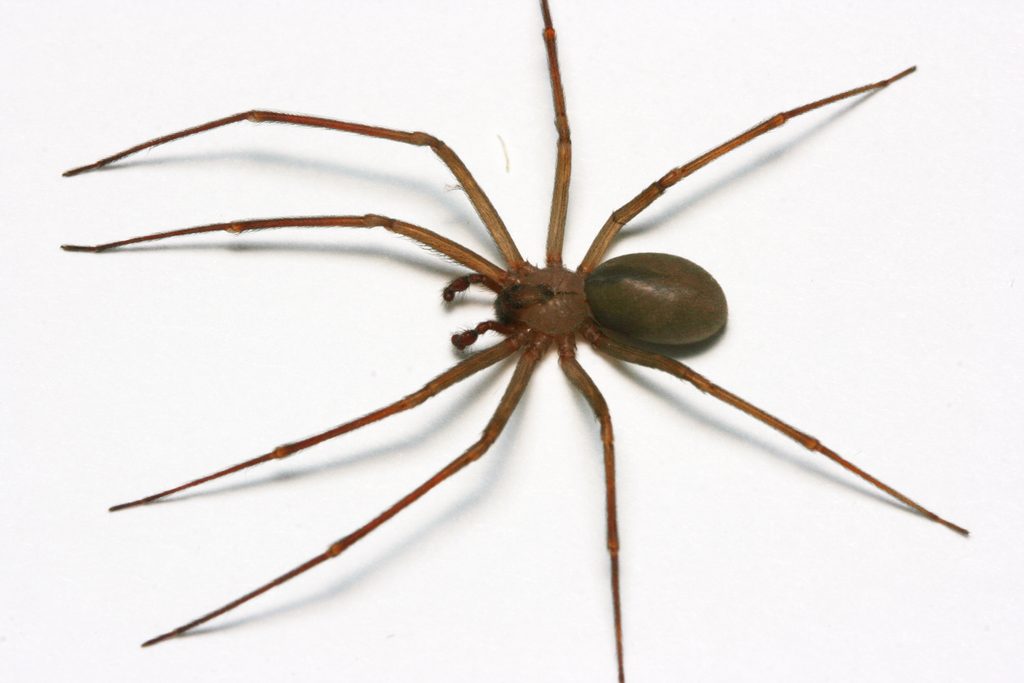
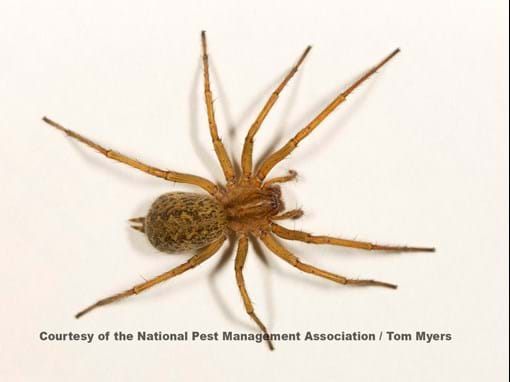
West of the Cascades, giant house spiders are common, and they look a lot like hobo spiders. Both are brown, both move fast, and both build flat, sheet-like webs with a funnel retreat at the back. Young giant house spiders are especially easy to mistake for hobo spiders, even though giant house spiders are considered harmless.
The real problem is that accurate identification takes a microscope. Arachnologists separate hobo spiders from their look-alikes by examining tiny details of the reproductive anatomy, not by color or body markings. Popular rules of thumb, like a chevron pattern on the abdomen or “boxing glove” shaped palps, aren’t reliable. The Burke Museum in Seattle has a clear write-up on this myth and points out that whole-body photos have little identification value because so many spiders in the region look alike.
So when someone says they killed a hobo spider, that’s usually an educated guess. For a homeowner, the practical takeaway is simple: you don’t need to name the species to solve the problem. Big, brown funnel-web spiders all get the same prevention plan.
Why You’re Seeing Big Spiders Indoors in the Fall
Spiders are around all year, but fall is when the big ones start turning up in living spaces. Male funnel-web spiders wander more in late summer and fall while searching for mates, and that’s often how they end up on a bedroom floor or in a bathtub.
A few other things stack the odds:
- Ground-level webs. These spiders build their funnel webs low, in window wells, crawl space vents, garage corners, basement edges, woodpiles, and dense groundcover.
- Wet, cool weather. As fall rain sets in, sheltered spots around and inside the home become more appealing.
- A steady food supply. Porch lights and garage fixtures attract flying insects at night, and insects attract spiders.
- Easy entry points. Gaps under doors, torn screens, loose weatherstripping, and openings around pipes and vents give spiders a way in.
Homes in Eugene and Corvallis often check several of these boxes at once: older construction with crawl spaces and basements, mature trees and landscaping, and plenty of fall rain.
Hobo Spider vs. Giant House Spider: What We Can Actually Tell You
Identification really is a job for a specialist, but here is what’s generally accepted about each spider.
Hobo spider
- Medium-sized, with a brownish body roughly a quarter to a little over half an inch long
- Builds a sheet-like web with a funnel retreat, usually close to the ground
- Shy and quick to run when disturbed, despite an old nickname that suggested otherwise
- A European species that was introduced to the Pacific Northwest
Giant house spider
- Noticeably larger, with long legs that can look alarming when one dashes across a hallway
- Builds a similar funnel-style web and favors basements, garages, and quiet corners
- Most common in the Pacific Northwest west of the Cascades, which includes the Willamette Valley
- Considered harmless, and bites are rare
In some areas, giant house spiders have actually pushed hobo spiders out. So a very large spider in a Eugene or Corvallis home is more likely a giant house spider than a hobo spider.
Are Hobo Spiders Dangerous?
The hobo spider earned its scary reputation in the late 1980s and 1990s, when it was linked to slow-healing skin wounds in the Pacific Northwest. Since then, the evidence hasn’t held up well. Venom studies haven’t reproduced the original findings, and bites that were blamed on hobo spiders were rarely confirmed because no one caught and identified the spider. The Burke Museum notes that, for decades, no patient has both shown the typical symptoms and produced the spider that bit them. Infections and other medical conditions are often behind wounds that get labeled as spider bites.
That doesn’t mean you should handle one. Any spider can bite if it’s pressed against skin, and a bite can be painful or irritating. But hobo spiders are shy, they flee rather than attack, and a serious reaction is uncommon.
Two other facts are worth knowing:
- Brown recluse spiders are not found in the Pacific Northwest. Many wounds that people blame on them here have other causes.
- Western black widows are the spider to take seriously. They are more common east of the Cascades and in southwestern Oregon, but it’s still worth knowing what one looks like: shiny black, with a red hourglass marking on the underside. They like undisturbed spots like woodpiles, sheds, and garages, so wear gloves when you work in those areas.
If you think a spider bit you: wash the area with soap and water, apply a cool compress, and keep an eye on it. See a doctor if the pain gets worse, redness spreads, a wound forms, you develop a fever, or you notice signs of an allergic reaction. If you can catch the spider safely in a jar, keep it. A confirmed identification helps your doctor. Your local OSU Extension office can help with spider identification too. We’re pest professionals, not medical providers, so when in doubt, call your doctor.
Other Spiders You’ll See Around Eugene and Corvallis Homes
The big funnel-weavers get the attention, but they’re not the only spiders around. The most common spider indoors is usually the small, brownish domestic house spider. Cellar spiders, the long-legged “daddy longlegs” spiders, favor basements and crawl spaces. Orb weavers build large, round webs along eaves, fences, and landscaping in late summer and fall, and they are harmless to people. For more on the spiders we find around local homes, see our post on spider and boxelder bug control in Albany or visit our spider control page.
How to Keep Big Spiders Out of Your House
You can’t make a home completely spider-proof, but these steps can cut down on how many get in:
- Seal the gaps. Add door sweeps, repair torn screens, and caulk around pipes, vents, and utility lines.
- Check your crawl space vents and window wells. Both are common hiding spots and entry points.
- Move things away from the house. Keep woodpiles, firewood, and debris off the foundation, and trim shrubs and groundcover back from siding.
- Cut down on the insects. Swap bright white outdoor bulbs for warmer yellow ones, and turn off lights you don’t need at night.
- Declutter basements, garages, and storage areas. Plastic bins with lids give spiders fewer places to hide than cardboard boxes.
- Vacuum webs and egg sacs. Do it regularly, including corners, window frames, and under furniture. Empty the vacuum outside.
- Use glue boards for monitoring. A few placed along garage and basement walls show you where spiders are traveling.
- Shake out shoes, gloves, and stored clothing that sit in garages or sheds.
Skip the foggers and bug bombs. They rarely reach the places spiders actually hide.
Why a Quick Spray Isn’t Enough: How Professional Spider Control Works
Here is something many companies won’t tell you: spiders can’t be eliminated completely, and you wouldn’t want to eliminate every one of them. They eat flies, mosquitoes, and other insects. The goal of spider control is to reduce spider numbers around your home and keep them out of the places where you live.
That takes more than spraying a few webs. When we handle spider control in Eugene and Corvallis, we focus on:
- Inspecting the exterior for webs, egg sacs, harborage areas, and the gaps and entry points spiders are using
- Treating the areas where spiders live and travel, including foundations, eaves, windows, doors, and other entry points
- Knocking down accessible webs and egg sacs, so you can see what’s new and what’s left over
- Looking at the food source, because fewer insects around your home means fewer spiders
- Following up so the work holds up through the season
If spiders are showing up inside your home, we’ll look at how they are getting in and recommend the right next step.
For homeowners who want ongoing protection, our H3 Signature plan starts at $40 per month. It includes four seasonal services per year from spring through fall, exterior treatment around the foundation, eaves, windows, doors, and entry points, and spider web and wasp nest knockdown when accessible. It also covers ants, wasps, yellowjackets, hornets, boxelder bugs, earwigs, silverfish, crickets, and other general pests, and it comes with free re-services if covered pests return. You can see our plans and services or ask for a free estimate to see what fits your home.
Spider Control in Eugene, Corvallis, and Nearby Communities
H3 Pest Control is a family-owned company based in Albany, Oregon. Our owner holds Associate Certified Entomologist (ACE) credentials and has 18 years of pest control experience across the Northwest. We serve homeowners and businesses throughout the Willamette Valley, including:
You can see every community we cover on our service areas page.
If big spiders are showing up around your home, call us at (541) 248-1989 or request a free estimate online. We’ll take a look, tell you honestly what’s going on, and recommend a plan only if you need one.
Frequently Asked Questions About Spiders in Eugene and Corvallis
How do I know if a spider in my house is a hobo spider?
You usually can’t tell by looking. Hobo spiders are separated from look-alikes by microscopic features, and common rules of thumb like abdomen patterns aren’t reliable. A large brown spider in a Willamette Valley home is more likely a giant house spider or another funnel-web weaver. If you need a confirmed identification, a local OSU Extension office can help.
Are giant house spiders dangerous?
No. Giant house spiders are considered harmless, and bites are rare. They can look alarming because of their size and speed, but they’re not a threat to people or pets.
Why are there so many spiders in my house in the fall?
Male funnel-web spiders wander in late summer and fall looking for mates, and many end up indoors. Cooler, wetter weather, ground-level hiding spots, and insects drawn to your outdoor lights all add to it.
Should I kill a spider I find in my house?
One spider in the house is rarely a problem, and spiders do eat other pests. You can vacuum it up or catch it in a cup and release it outside. If you keep seeing large spiders inside, or webs keep coming back, that’s a sign to fix the entry points or call a professional.
Can pest control get rid of all the spiders around my home?
No company can honestly promise that. Spiders are a normal part of the outdoors in Oregon. What good spider control can do is reduce their numbers around your home, remove webs and egg sacs, and cut down on how many get inside.
What should I do if I think a spider bit me?
Wash the area, apply a cool compress, and watch it. See a doctor if the pain gets worse, redness spreads, a wound develops, you get a fever, or you have an allergic reaction. If you can safely catch the spider, bring it with you for identification.
How much does spider control cost in Eugene and Corvallis?
Our H3 Signature general pest control plan, which includes spider web knockdown and exterior treatment, starts at $40 per month. The right price depends on your home and what’s going on, so we offer free estimates and honest recommendations with no pressure.
Do you offer one-time spider treatments?
Yes. Whether you need a one-time treatment or ongoing protection, we’ll help you figure out which makes sense for your situation.
Schedule Spider Control in Eugene or Corvallis
If you’re tired of finding big spiders around your home, H3 Pest Control can help. We offer free estimates, honest answers, and service from a local owner who answers the phone.
Call (541) 248-1989 or schedule your free estimate online.