

Contact Us
Spider Control in Oregon
Spider Problems Around the Home? We Can Help
Spiders are one of the most common pest concerns for homeowners in Oregon. Even when they are mostly a nuisance pest, large amounts of webbing, repeated indoor sightings, and spider activity around doors, windows, garages, and eaves can quickly become frustrating, and while many people worry about bites, only a few species are considered dangerous to humans, including black widows and the brown recluse.
For many people, the issue is not just seeing one spider here and there. It is the steady buildup of webs, egg sacs, and spider activity around the outside of the home and in quiet indoor areas. Our spider control service is designed to reduce active problem areas and help keep your home looking and feeling cleaner.
Common Spider Species Found in Oregon
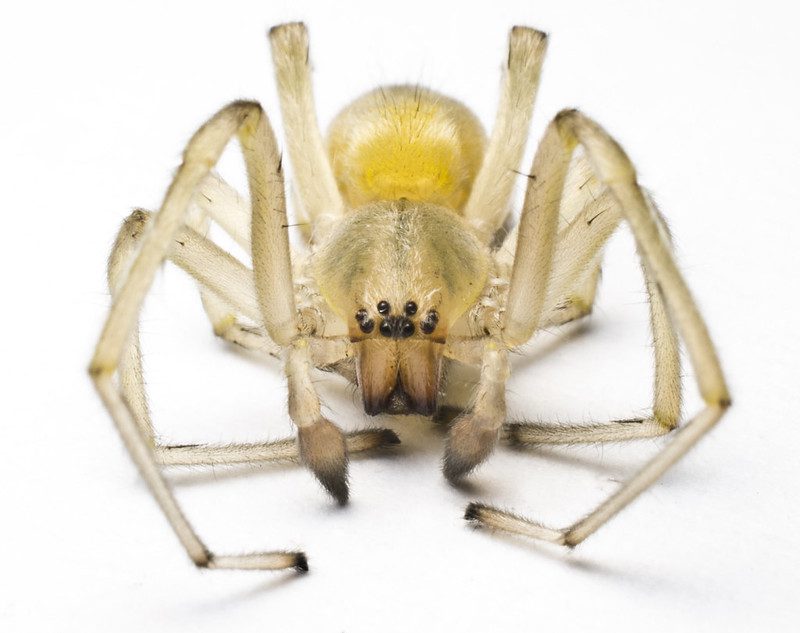
Oregon homes can attract different spider species depending on the season, moisture levels, and the amount of insect activity around the property. Some of the more common spider species people notice include: Spiders are arachnids within the larger group of arthropods, and different species are found throughout the world in many environments, from tropical regions to high elevations, which is why more than one species may turn up around homes. The common house spider (Parasteatoda tepidariorum) is often found indoors making cobwebs in corners and is generally not harmful to humans because its fangs are small.
Common House Spiders
These are often found in corners, ceiling lines, garages, basements, crawl spaces, and storage areas. One common house spider species, Parasteatoda tepidariorum, is often found indoors making cobwebs in corners and is generally not harmful to humans due to its small fangs. They tend to stay hidden until webs begin building up.
Giant House Spiders
These larger spiders are commonly noticed in garages, basements, and lower levels of homes, especially when they start moving around more visibly.
Orb Weavers
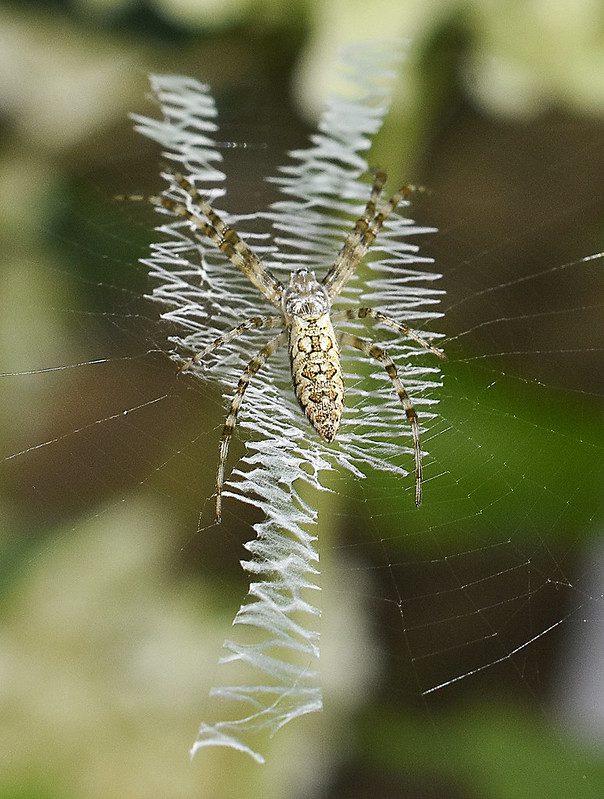
Orb weavers are usually outdoor spiders that build large circular webs around eaves, shrubs, patios, porches, fences, and lighting areas; each spins an orb web with sticky webs to capture prey, especially flying insects, and often relies more on vibrations than sight because it has poor vision compared with active hunters.
Wolf Spiders
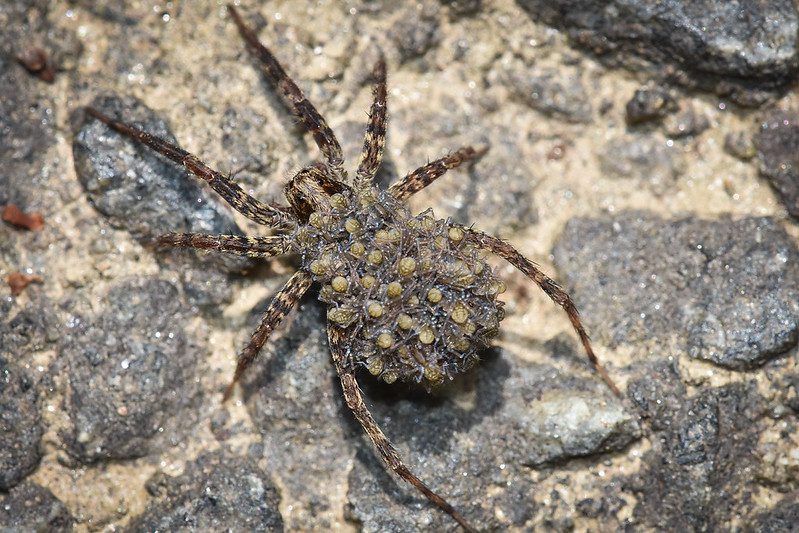
Wolf spiders do not rely on large webs the way many other spiders do. As predators in the family Lycosidae, they are active hunters that do not depend on spinning webs to catch prey and instead use speed and vision to pursue walking insects on the ground. They are more likely to be seen moving across floors, garages, patios, and outdoor surfaces.
Jumping Spiders
These small spiders are active hunters and are often found around windows, siding, and sunny exterior areas. Jumping spiders are among the spider groups with the best vision, using exceptional sight to judge distance and hunt with precision.
Black Widows
Black widows are less commonly encountered than general nuisance spiders, but they can be found in Oregon in certain sheltered outdoor areas, sheds, crawl spaces, wood piles, and undisturbed storage spots. Among widow spiders, black widow spiders are medically significant because adult females are identified by a shiny black body and a red hourglass marking, and although they can bite humans, the western species (Latrodectus hesperus) is better known from California. When a suspicious spider is found in one of these areas, proper identification matters. Despite popular belief, the male black widow and other small males are much smaller than their female spiders and male counterparts, so females are far less concerning to humans.
Why Spider Activity Builds Up
Spiders are often a sign that the property is supporting other insects. In simple terms, when there are more insects, spider activity usually follows because spiders are predators feeding on available prey.
Spider pressure is often higher around homes with:
- lots of exterior lighting that attracts insects
- dense landscaping close to the house
- cluttered garages, sheds, or crawl spaces
- heavy web buildup around eaves and entry points
- untreated insect activity around the exterior
- quiet storage areas with little disturbance
That is why good spider control is about more than just killing the spiders you happen to see. Many spiders are beneficial because they help control pest insects and support local ecosystems. The overall environment matters too.
Common Signs of a Spider Problem
A few spiders outside the home is normal in Oregon, but repeated signs indoors can point to a spider infestation rather than occasional activity.
You may have a spider issue if you are noticing:
- repeated web buildup around the eaves
- spider webs around doors, windows, lights, and soffits
- spiders showing up regularly inside the home
- egg sacs in corners, garages, storage areas, or around trim
- webs returning quickly after being knocked down
- heavy activity in garages, sheds, crawl spaces, or basements
Many homeowners call not because of one spider, but because the webs keep coming back and the overall activity feels constant.
Where Spiders Commonly Hide
Spiders usually favor quiet, protected areas where they are less likely to be disturbed. Around Oregon homes, the most common trouble spots include:
- eaves and rooflines
- corners of siding and trim
- porch ceilings and light fixtures
- garages and storage rooms
- crawl spaces and basements
- shrubs and vegetation touching the home
- window frames and door frames
- fences, sheds, and outbuildings
These are the same places where webs tend to become most noticeable.
Our Spider Control Approach
Spider control works best when it combines treatment with physical web removal, cleanup of old web buildup, and reduction of insect pressure around the property.
Reachable webs can be brushed down or vacuumed from windows, corners, and storage areas to remove spiders and webbing more thoroughly, and regular vacuuming or sweeping helps because their soft bodies usually do not survive the tumbling process through the vacuum hose.
A typical spider service may include:
Web and Nest Removal in Reachable Areas
One of the most noticeable parts of spider control is knocking down webs around the structure, which helps clear active webs and any old web material in reachable areas. Removing active webs helps immediately improve appearance and reduce the places spiders are already using. Vacuuming or sweeping corners, window areas, and storage spots can help remove spiders and webs during cleanup.
Exterior Treatment
We treat key exterior areas where spiders tend to rest, travel, and rebuild webs. This often includes foundation lines, entry points, eaves, windows, doors, and other common harborage areas.
Indoor Spot Treatment if Needed
When spider activity is showing up inside, treatment may also include targeted interior areas such as garages, utility spaces, entry points, or problem rooms.
Reducing Conducive Conditions
We also look at factors that are helping spider populations stay active, including heavy lighting, insect pressure, overgrown plants, clutter, leaf litter, trash, vegetation touching the home, and untreated exterior zones where insects become easy prey. Sealing cracks in the foundation, gaps around windows and doors, and keeping screens in good condition also helps limit insects and spiders.
Why Spiders Keep Coming Back
One of the biggest frustrations with spiders is that even after you remove the webs, they often return. That is because the conditions around the property are still favorable.
Spiders tend to return when:
- insects are still being attracted to the home
- webs are not removed regularly
- shrubs or branches are touching the structure
- garages and storage spaces stay cluttered
- exterior pest activity is untreated
- there are lots of quiet protected corners for harborage
That is why long-term spider control usually requires more than a one-time cleanup.
How to Help Reduce Spider Activity
There are several practical ways to make a home less attractive to spiders:
- reduce unnecessary exterior lighting or switch to less insect-attracting bulbs
- trim vegetation away from siding and rooflines
- remove trash, leaf litter, and heavy vegetation outdoors to reduce hiding places
- keep garages and storage areas cleaner and less cluttered
- remove webs before they build up heavily
- address other insect issues around the home, since more insects can draw spiders closer to the structure
- seal cracks in the foundation and gaps around windows, doors, and utility penetrations
- keep sheds, wood piles, and storage zones more organized
- maintain good screens and reduce insects around entry points to help keep spiders from moving indoors
These steps can help, but they work best when paired with a professional treatment plan.
Spider Control for Oregon Homes
In Oregon, spider activity tends to be especially noticeable around homes with moisture, landscaping, shade, and steady insect populations. While most spiders are primarily nuisance pests, that does not make the problem any less real for homeowners who are constantly seeing webs and spiders around the property.
A professional spider service helps reduce buildup, improve the appearance of the home, and make common problem areas easier to manage over time.
Schedule Spider Control Service
If spiders are taking over your eaves, building webs around entry points, or showing up regularly inside, it may be time for professional service. The sooner problem areas are addressed, the easier it is to get ahead of the buildup.
Our spider control service is designed to reduce visible activity, knock down webs, and help make your home feel more comfortable again.