Many homeowners are surprised to learn just how common rat activity can be throughout Albany and the surrounding Willamette Valley. Certain areas of Albany can experience higher rodent activity depending on nearby fields, waterways, older neighborhoods, aging crawl space vents, damaged crawl space doors, and heavy vegetation around homes.
At H3 Pest Control, the main rat species we see in this area is the roof rat, although we also deal with Norway rats. Roof rats are excellent climbers and are commonly found in attics, crawl spaces, garages, and wall voids. Norway rats are larger and are more commonly associated with burrowing activity around foundations, crawl spaces, sheds, patios, and other exterior areas.
One of the biggest mistakes homeowners make is focusing only on the rats they hear or see inside the home instead of addressing how the rodents got inside in the first place. Long-term rat control requires more than setting a few traps. It requires a thorough inspection, a trapping program, and proper exclusion work to seal the main entry points.
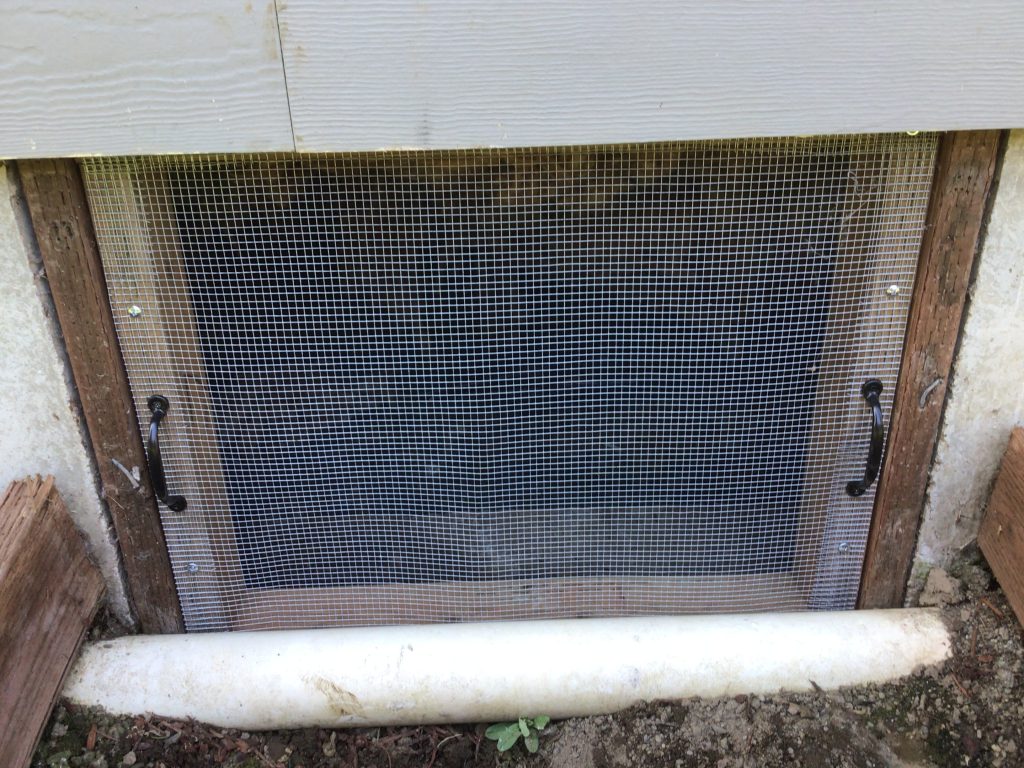
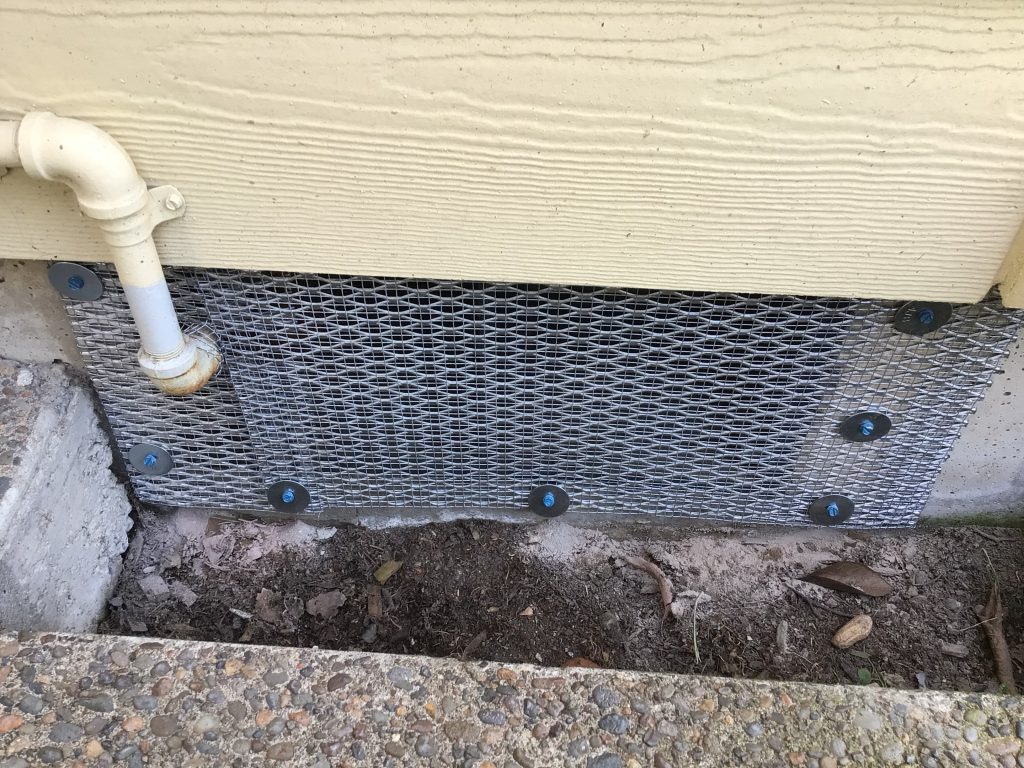
In the pictures shown, you can see some of the most common rodent entry points we find during inspections. Broken crawl space vents and damaged crawl space doors are two of the biggest issues we come across. These areas often give rats direct access into the crawl space, and once they are inside, they can travel throughout the structure. At H3 Pest Control, we repair both damaged crawl space vents and crawl space doors as part of our exclusion work when needed.
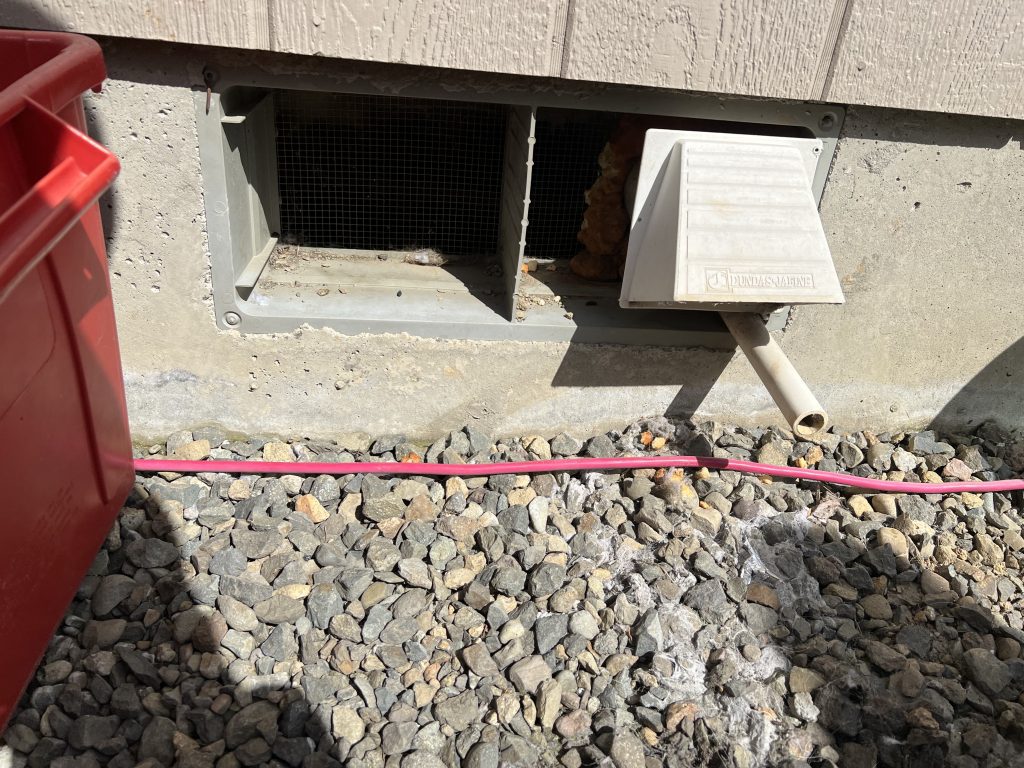
Another picture shows spray foam that was used around a dryer vent as an attempted exclusion repair. While spray foam can have a place in certain situations, it is not always strong enough by itself. In this case, the rats chewed right through the foam and were entering the crawl space underneath the dryer vent. This is why proper materials and a full inspection are so important when sealing rodent entry points.
It is also very common to find rats burrowing under foundations and into crawl spaces. Because of this, all of our rodent programs include inspecting the entire crawl space whenever it is accessible. We look for burrow holes, damaged vents, gaps around utility lines, damaged crawl space doors, plumbing penetrations, dryer vent gaps, and any other areas where rats may be entering.
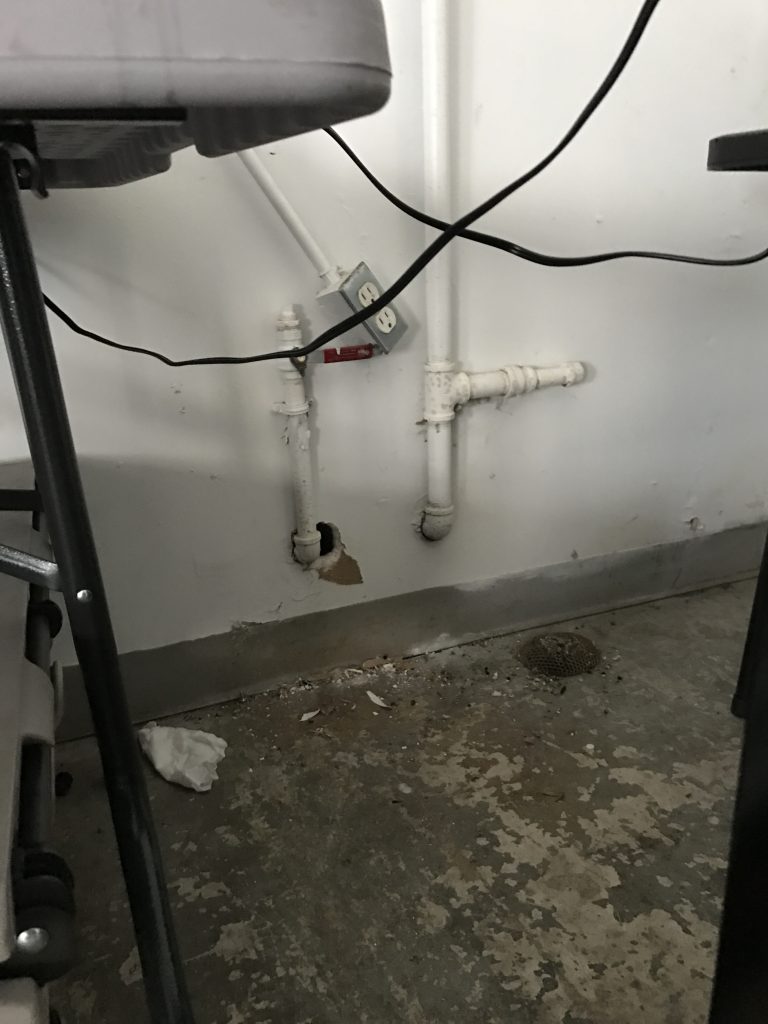
One of the pictures also shows where a rat chewed through sheetrock over a weekend. When rodents create interior holes like this, I generally do not recommend sealing those areas immediately unless the main rodent issue has been solved. If the exterior entry points are still open and rats are still active inside the home, sealing interior holes too early can sometimes trap activity in wall voids or cause rodents to chew into new areas. The main focus should always be finding out how they are getting into the home from the outside and correcting that first.
Whenever possible, I also avoid using rodent bait inside homes. Bait can be effective in the right setting, but using it inside can lead to rodents dying in walls, attics, crawl spaces, or other hard-to-reach areas. This can create strong odors and additional problems for the homeowner. Instead, our interior programs focus on trapping so the rodents can be removed and the activity can be monitored properly.
At H3 Pest Control, we specialize in rat control programs that focus on solving the root of the problem. Our process includes a detailed inspection, identifying exterior entry points, inspecting the crawl space, sealing access points properly, and using an interior trapping program to remove rodents already inside.
If you are hearing scratching noises, finding droppings, noticing burrow holes, seeing damage, or just want peace of mind, inspections are always free. H3 Pest Control is happy to take a look and provide an honest recommendation for the best way to solve the problem.