

Every year, millions of U.S. households face pest infestations that threaten health, damage property, and disrupt daily life. This guide walks you through proven pest extermination strategies, from selecting the right control service to understanding exactly what integrated pest management looks like in practice for homes and commercial properties in 2026.
Get a Personalized Pest Control Plan Today
If you are dealing with a pest problem, the fastest path to relief is a customized pest control plan built around your specific situation. In 2026, most reputable pest control companies can turn around a personalized quote within 24 hours of your initial request.
A strong plan should account for several factors:
- Home size and structure type – a studio apartment, a 3-bedroom single-family home, and a 10,000-square-foot warehouse each require different approaches.
- Most common pests in your area – ants are reported by roughly 90% of U.S. homes, while bed bugs now affect about one in five households (ZipDo).
- Severity and history – a first-time sighting versus a recurring infestation changes the treatment timeline and cost significantly.
An expert pest control technician will perform an on-site inspection to identify pests accurately before recommending a treatment path. The goal is integrated pest management, not just blanket chemical pest control. Contact a provider by phone or online form, and expect pricing and treatment steps to be explained up front before any work begins.

Save on Professional Pest Control Services
Peak pest months run from April through October, and many pest control services offer seasonal promotions during this window. If you have been putting off treatment, this is the time to act.
Discounts typically apply to general home pest control, bed bug inspections, and rodent exclusion packages. Keep in mind that preventive plans are almost always more affordable than emergency one-time treatments. For example, a bed bug infestation can cost between $1,000 and $3,000 per home to resolve, while a quarterly prevention plan catches problems before they spiral.
Our Pest Extermination Services
We offer full-spectrum pest control services for homes, apartments, restaurants, warehouses, and offices. The focus is always two-fold: eliminate pests now and prevent re-infestation later. Pest control services can target up to 39 common pests year round, and services include fumigation and habitat modification depending on the situation. Fumigation typically costs more due to its complexity, as it targets all life stages of pests in sealed structures.
Core service categories:
- General home pest control (ants, cockroaches, spiders, silverfish)
- Rodent control (mice, rats)
- Bed bug control (inspection, heat treatment, chemical treatment)
- Termite control (inspections and targeted treatments)
- Seasonal mosquito and tick reduction
Technicians use a combination of integrated pest management, cultural control such as sanitation and habitat modification, mechanical methods like traps and exclusion, biological pest control where appropriate, and targeted chemical pest control when necessary. Typical service intervals are monthly, bi-monthly, or quarterly depending on the pest species and severity.
Residential Pest Control
Homes, condos, and rental units face year round pressure from pests like ants, cockroaches, mice, silverfish, and occasional invaders such as wasps and centipedes. These covered pests defined across most residential plans represent the insects and rodents that consistently invade living spaces.
Residential plans should include an initial in-depth inspection, interior and exterior treatment, sealing of common entry points, and follow-up visits. Residential pest control typically includes four home visits per year, and those four home visits per year ensure a pest free home by catching new activity before it becomes established.
Family- and pet-conscious methods are prioritized. That means low-odor, targeted treatments, careful placement of baits and traps away from household pets and children, and clear communication about what products are applied.
Example scenario: A 3-bedroom single-family home with ants in the kitchen and spiders in the basement. The technician inspects, applies perimeter treatment, seals two gaps around plumbing penetrations, places bait stations in the kitchen, and schedules a 30-day follow-up. Chemical treatments for a 3-bedroom home like this typically cost $100 to $300 depending on the scope.
Commercial Pest Control
Businesses such as restaurants, food processing plants, hotels, healthcare facilities, and offices require strict pest control to protect customers, staff, and maintain regulatory compliance. For commercial properties, a single health code violation can mean fines, closures, or lasting reputation damage.
A commercial pest control service typically includes documented inspections, monitoring devices such as rodent bait stations, and written reports suitable for audits and health inspections. In a case study from Fagerberg Produce, a food packing facility improved audit readiness by implementing proactive IPM with monitoring devices, sanitation protocols, and thorough documentation (Sprague Pest Solutions).
Integrated pest management is critical in commercial accounts, combining sanitation recommendations, structural repairs, and limited, targeted pesticide use.
Example: A downtown restaurant needing monthly service to keep cockroaches and rodents under control. Technicians install tamper-resistant bait stations, seal gaps around delivery doors, and provide a logbook for the manager to track activity between visits – all critical for passing health inspections.
Common Pests We Eliminate
The most common pests invading U.S. homes and businesses in 2026 include ants, cockroaches, rodents, bed bugs, wasps, and spiders. Each presents different risks – from property damage to serious health problems – and accurate identification is the first step to eliminate pests effectively.
Insect pests (ants, roaches, silverfish): Ants are nearly ubiquitous. German cockroaches thrive in apartment kitchens and trigger asthma through allergens in their droppings.
Rodents (mice, rats): Responsible for roughly 35% of pest control reports and capable of carrying around 35 diseases.
Stinging pests (wasps, hornets): Nest near eaves, attics, and landscaping. Dangerous for anyone with allergies.
Biting pests (bed bugs, fleas): Among the most disruptive and difficult to rid from a home. Some destructive pests in this category, like bed bugs and termites, almost always require professional pest control service rather than DIY methods.
Bed Bugs and Other Biting Pests
Bed bug infestations have increased sharply across many U.S. cities since the early 2000s and remain one of the hardest pest species to eliminate. Unlike many common pests, bed bugs do not respond well to over-the-counter sprays, and many populations show high resistance to older pyrethroids.
Typical signs of bed bugs:
- Bites in rows or clusters on exposed skin
- Small reddish-brown stains on sheets and pillowcases
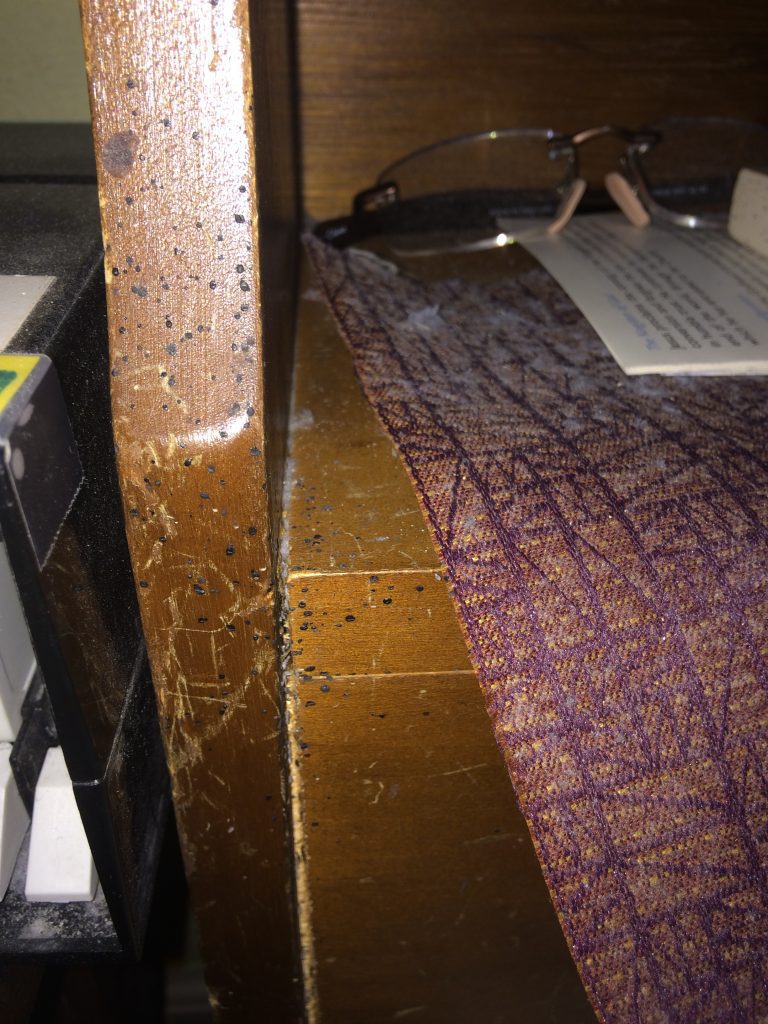
- Live bugs or shed skins along mattress seams, behind headboards, and in furniture cracks
Bed bug control usually requires multiple visits, detailed preparation by the homeowner (laundering linens, reducing clutter), vacuuming and steaming, mattress encasements, and targeted chemical or heat treatments. Research shows adult bed bugs reach 99% mortality at approximately 48.3°C, while eggs require higher temperatures around 54.8°C (PMC). Vacuuming treatments for bed bugs typically cost $150 to $300 per session.
Fleas and mites can mimic bed bug bites, so accurate diagnosis by a pest professional is essential. If you are dealing with an existing mosquito or flea issue alongside suspected bed bugs, a combined treatment plan avoids wasted time and money.
Rodents, Roaches, and Other Home Pests
Rodents, cockroaches, and other pests are prevalent in kitchens, basements, and storage areas – especially in older buildings and dense urban neighborhoods where gaps in aging infrastructure give easy access. Mice can squeeze through openings as small as a quarter inch.
Health risks include:
- Contamination of food and surfaces by rodent droppings
- Asthma triggers from cockroach allergen particles
- Gnawing damage to wires and insulation from rats, which creates fire hazards
Typical control steps:
- Inspect for droppings, rub marks, and gnaw damage.
- Seal gaps larger than 1/4 inch around pipes, doors, and vents. Sealing gaps can deter rodents and cockroaches effectively.
- Place traps and bait stations in active runways.
- Improve sanitation and food storage – food should be stored in airtight containers to prevent pest access.
Concrete examples: Controlling Norway rats in alleyways around restaurants often requires a combined approach of secure bait stations, habitat proofing, and sanitation changes. In one case study, a food establishment eliminated external rodent activity in 7–13 days using cholecalciferol-based bait, secure stations, and gap sealing (BASF Pest Control). For German cockroaches in apartment kitchens, boric acid bait stations eliminate ant and roach colonies effectively when combined with improving sanitation.
Integrated Pest Management (IPM) and Control Methods
Integrated pest management is a long-term, science-based approach that combines inspection, monitoring, cultural control, mechanical methods, biological pest control, and targeted chemical treatments. IPM combines multiple pest control techniques to manage pest populations below damaging levels while minimizing environmental impact. Integrated Pest Management reduces chemical pesticide use by addressing root causes first.
The philosophy is straightforward: change conditions that allow pests to thrive – moisture, clutter, food access – before reaching for a spray can. Professional pest control companies design IPM programs tailored to each property and pest species, which is why cookie-cutter approaches rarely deliver maximum effectiveness.
Cultural and Physical Controls
Cultural control starts with the basics. Sanitation prevents pest breeding by eliminating food and water sources. Here is what that looks like in practice:
- Store food in airtight containers to cut off pest access.
- Reduce clutter to minimize pest shelter options – stacks of cardboard and newspapers are prime harborage for roaches and silverfish.
- Fix leaky pipes to eliminate water sources for pests. Even a slow drip under a bathroom sink can sustain a cockroach colony.
- Trim vegetation away from building foundations.
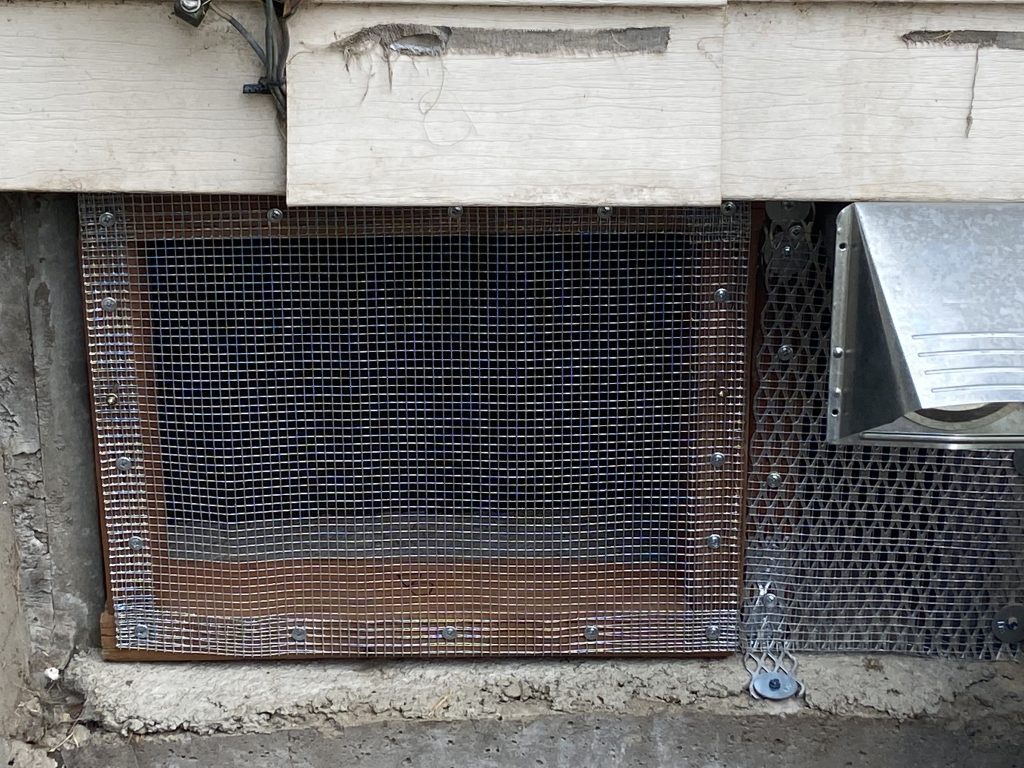
Physical controls include sealing cracks and gaps, installing door sweeps (which can block pest entry on their own), adding window screens to prevent flies and wasps from entering, and securing vent covers and chimney caps. Barriers like door sweeps and secure vent covers help to block pests reliably. Installing basic barriers costs between $100 and $3000 depending on the number of entry points.
Routine inspections are required for barrier effectiveness. A simple change – like repairing door weatherstripping on a 1950s home – can significantly reduce the number of mice entering during autumn.
These preventive measures lower the need for repeated chemical applications and form the foundation of any effective pest management plan. They also protect your home and help keep your home pest free without heavy reliance on pesticides.
Mechanical, Biological, and Chemical Pest Control
Mechanical control involves hands-on techniques like trapping and physical removal. Traps are effective for capturing rodents and insects, and they are often the first line of defense against small infestations. Snap traps are effective for rodent control and can catch rodents quickly when placed along active runways. Basic traps cost $5 to $50 each, while mechanical pest control services range from $75 to $150 per visit. Eco-friendly methods include traps and mechanical removal techniques, making them a good fit for customers who want to keep a pest free environment with minimal chemical exposure.
Biological pest control uses natural predators to manage pests. In gardens, greenhouses, and landscaped areas, beneficial organisms such as lady beetles, parasitoid wasps, and beneficial nematodes reduce insect pest populations. Bacillus thuringiensis is effective against mosquito larvae, helping control mosquitoes around standing water without broad environmental health risks to non target species. This is sometimes paired with trap cropping, where specific plants lure insect pests away from valued crops. Natural repellents can deter certain insects, and diatomaceous earth can be used as a natural insect control method for crawling pests. However, natural pest control methods often have shorter residual effects compared to synthetic options, which is one of the additional limitations of going fully organic.
Chemical pest control remains necessary for severe or established pest infestations. Targeted chemical treatments are effective for active pest infestations when other methods alone cannot kill pests fast enough. Common products include insecticides, rodenticides, and gel baits. Chemical pesticides can lead to resistance in pest populations over time, which is why pesticide use should be precisely targeted and part of an overall IPM strategy. Consult EPA guidelines for safe pesticide application in severe infestations. Personal protective equipment, strict label compliance, and environmental considerations are non-negotiable – every pesticide must be applied according to its label directions to protect people, pets, and the environment.
How to Choose a Reliable Pest Control Service
Choosing the right pest control company is as important as choosing the right treatment method. Rushing into a contract without basic checks can lead to wasted money, incomplete treatments, and ongoing frustration.
Key criteria to evaluate:
| Factor | What to Look For |
|---|---|
| Licensing | State-issued applicator and business licenses; specialty certifications for termites, bed bugs, fumigation |
| Experience | Documented track record with your specific pest species |
| Transparency | Clear explanation of products, methods, visit count, and pricing |
| IPM approach | Company proposes inspection, structural fixes, and sanitation – not just spray treatments |
| Guarantees | Written re-service policy if pests return within a set timeframe |
Choosing a reliable pest control company involves verifying licenses and insurance. Licensed pest control technicians should be certified by state regulatory offices. A good pest control company is transparent about their chemical usage and will explain safety precautions for children, pets, and sensitive individuals. Check online reviews and obtain written estimates from multiple pest control companies before committing. Companies like Terminix, which has offered pest control services for over 95 years, set industry benchmarks – but local exterminators with strong regional reputations can be equally effective.
Questions to Ask Before You Hire
Before your first phone call or on-site consultation, prepare a concise checklist:
- “Are your technicians licensed in this state?”
- “What is your experience treating bed bugs (or the specific pest I have)?”
- “How many visits are included in the quote?”
- “What preparations will I need to do before treatment?”
- “What products or active ingredients will you use, and are they safe around children and household pets?”
- “What is your re-service policy if pests return?”
Warranties must clearly state what happens if the pests return – whether you get free re-treatment or a refund. Additional limitations apply depending on the pest type and contract terms, so read the fine print. Avoid companies that pressure for immediate contracts or give vague estimates without inspection. Reputable providers will gladly share copies of licenses and product labels. These are baseline expectations, not bonus features.
FAQs About Pest Extermination
Here are the questions homeowners and property managers ask most often about pest extermination and pest control treatments in 2026.
How long does a typical pest control treatment last? General pest control service intervals run monthly to quarterly. Bed bug treatments may require 1–3 visits over several weeks, or a single whole-room heat treatment plus follow-ups. Rodent baiting programs often show results within 7–14 days, but monitoring should continue to confirm elimination.
Is pest control safe for pets and children? When performed by licensed professionals using approved products in targeted applications, treatments can be safe for families. Non-chemical methods and precisely placed baits reduce risk further. Always ask your technician about re-entry times and ventilation.
Do I need ongoing service, or is one visit enough? Ongoing service provides year round protection against seasonal and persistent pests. A single visit may resolve an isolated issue, but the risk of recurrence is high without follow-up. Most providers recommend quarterly visits as a minimum for year round coverage.
Why do pests come back after DIY treatments? DIY methods often miss hidden harborage areas, leave eggs untouched, or use products to which pest populations have developed resistance. Without structural repairs and improved sanitation, reinfestation from neighboring units or outdoor sources is common.
Are natural or organic pest control options effective? They can help with prevention and low-level issues – diatomaceous earth for crawling insects, essential oil repellents for deterrence, biological controls in gardens. But for established infestations of bed bugs, termites, or rodents, professional intervention with stronger methods is almost always necessary. Natural approaches work best as one layer within an IPM program, not as a standalone solution.
What does pest control cost on average? Cost varies widely. Chemical treatments for a standard home run $100–$500, while fumigation and termite work cost considerably more. Installing basic barriers runs $100–$3000. The best way to get an accurate number is a written estimate after inspection.
Take the Next Step Toward a Pest‑Free Property
Professional pest extermination does three things at once: it protects your family’s environmental health, preserves your property from destructive pests like termites and rats, and restores comfort in your home or business. Early action is the difference between a manageable problem and an expensive one.
For fast-spreading pests like bed bugs, cockroaches, and rodents, every week of delay increases cost and complexity.
Schedule an inspection or request a free quote by phone, email, or online form. Expect a response within one business day. Whether you need to identify a mystery pest, rid your kitchen of ants, kill rodents in your attic, or protect a restaurant from weeds of recurring violations, the right partner will build an integrated pest management plan that delivers long-term prevention – not just one-time extermination.
Contact us today to keep your home pest free and your business protected.