
Contact Us
Rats in Your Home or Business? We Can Help
A rat problem is not something to ignore. Rats can damage insulation, chew wiring, contaminate food, damage property, spread diseases, and create risks for humans and your family, quickly turning a small issue into a major infestation. If you are hearing scratching in the walls, finding droppings, noticing gnaw marks, or seeing rats around your property, it is time to act fast.
Our rat control service is designed to do more than just reduce activity for a few days, using rodent control strategies built around long term solutions. We focus on locating problem areas, identifying how rats are getting in, and building a treatment plan that helps protect your property long term. That approach is meant to provide long lasting protection and help prevent future infestations.
Why Rats Are a Serious Problem
Rats are destructive, adaptable, and prolific breeders that are extremely good at staying hidden. Many infestations begin quietly in attics, crawl spaces, garages, sheds, basements, or behind walls. By the time they are seen during the day, the problem often has already grown.
Rats can cause problems such as:
- Chewing electrical wiring and increasing the risk of electrical fires
- Damaging insulation, wood, and stored belongings
- Contaminating food and surfaces with droppings and urine
- Nesting in attics, crawl spaces, and wall voids
- Reproducing quickly if left untreated
Because they are cautious and tend to avoid new objects, traps alone are not a perfect solution, and integrated pest management is often needed to control rats. That is why professional placement, inspection, and follow-up matter, especially when trying to reduce rodent populations with professional help.
Common Signs of a Rat Infestation
Many homeowners do not see the rats themselves at first. Instead, they notice the signs they leave behind and other evidence of rat activity.
You may have rats if you are seeing:
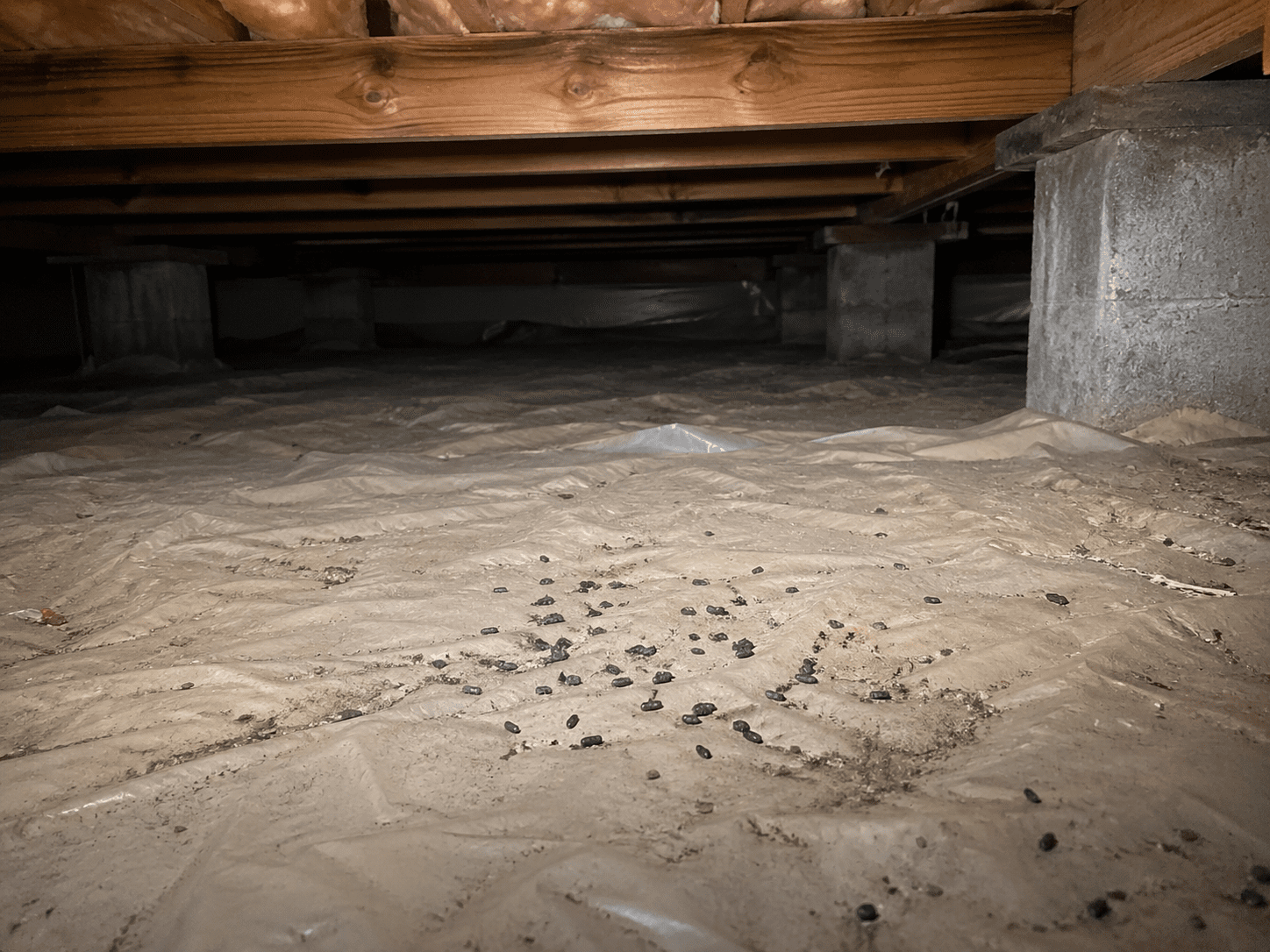
- Droppings in cabinets, pantries, garages, or storage areas
- Scratching sounds or movement in the attic, ceiling, or walls that suggest rat activity
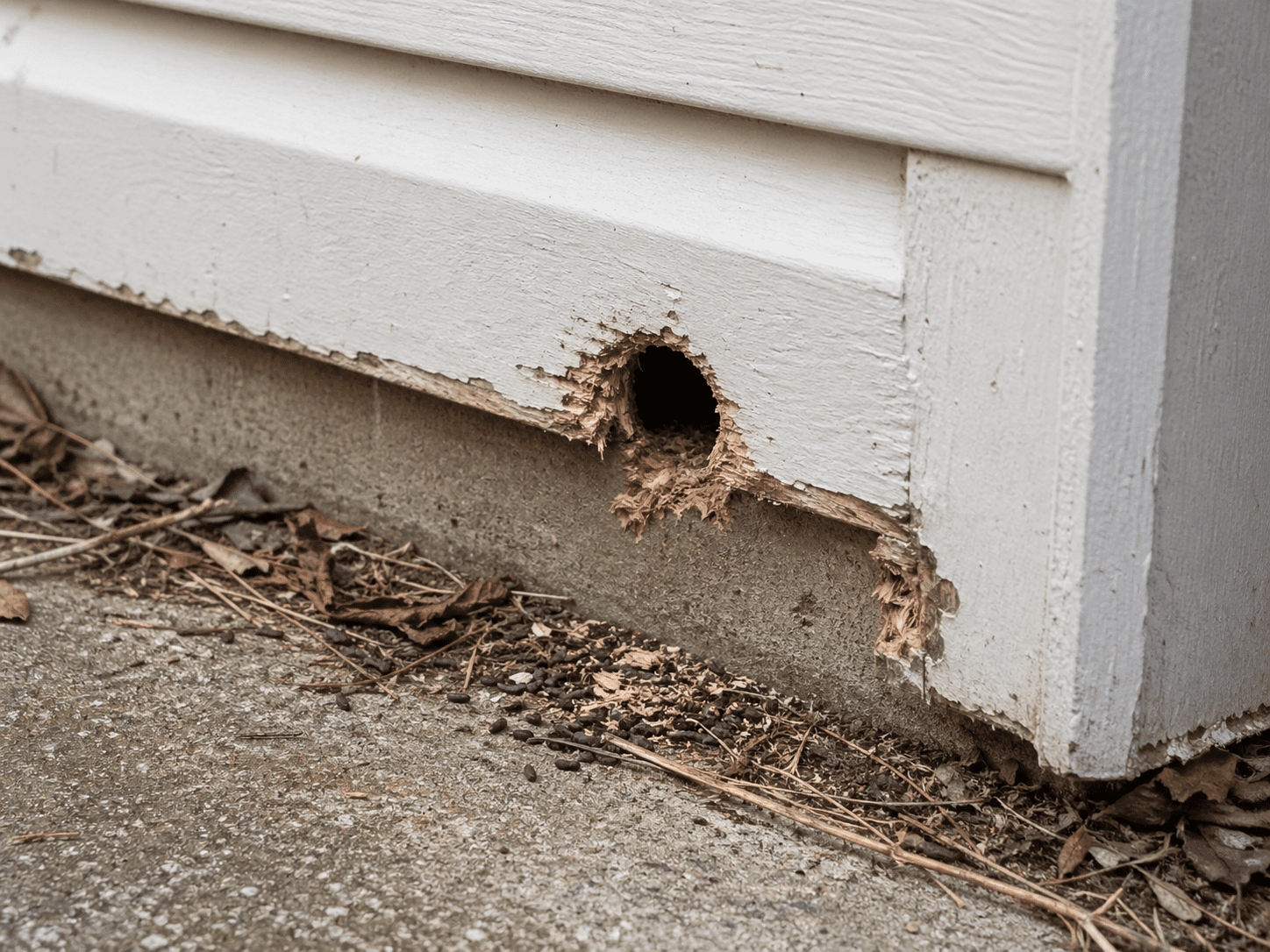
- Gnaw marks on wood, wires, boxes, or food packaging
- Greasy rub marks along baseboards or entry points
- Burrows near foundations, concrete slabs, or landscaping
- A strong musky odor in enclosed areas
- Pets staring at walls, appliances, or attic access points
If you notice even one or two of these signs, or a dead rodent odor in enclosed areas, it is worth having the property inspected before the issue becomes worse.
Types of Rats Commonly Found Around Homes
The two most common problem rats are roof rats and Norway rats. While both are destructive, they behave differently and often require slightly different treatment approaches. Throughout the Willamette Valley, we find both types of rats, with certain areas having higher activity than others. Overall, Eugene tends to show the highest level of rodent activity, but specific areas in many towns also experience increased issues. In particular, downtown Corvallis, the Lexington area, and the Animal Kingdom area in Albany are some of the locations where we receive the most rat-related calls.
Roof Rats
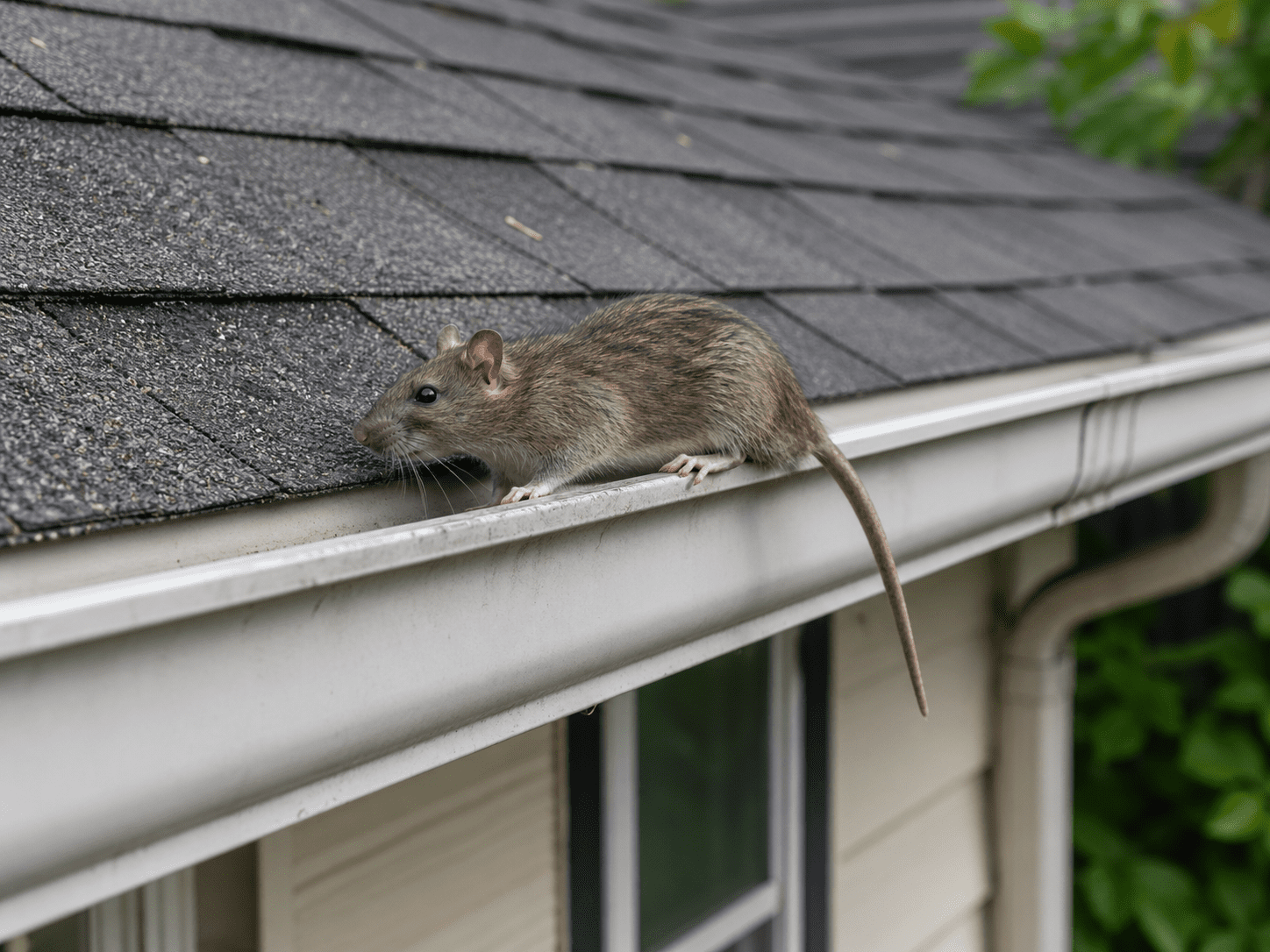
Roof rats are excellent climbers and are often found in attics, rafters, garages, and upper areas of structures. They may travel along fences, tree limbs, utility lines, and rooftops to access a home.
Norway Rats
Norway rats are larger, heavier, and more likely to stay lower to the ground. They commonly nest under decks, around foundations, in crawl spaces, wood piles, and burrows near structures.
Knowing which rat is present helps determine where to inspect, where to place control products, and how to improve results.
Our Rat Control Process
Effective rat control starts with a full-picture pest control approach designed to control rodents. Simply placing bait or traps without identifying activity zones and entry routes often will not get rid of a rodent problem.
Our service may include:
Inspection
We inspect the property for active signs of rats and other rodents, nesting areas, travel routes, and likely access points. This helps us understand where activity is happening and why by identifying rodent attractants, including any food source and nearby water sources.
Targeted Treatment with Rat Traps
Based on what we find, we place professional rat control products in the right locations. This may include tamper-resistant bait stations, rat traps, snap traps, and recommendations for high-activity areas. We place traps where there is confirmed activity.
Monitoring and Follow-Up
Rat control is rarely a one-visit issue. Follow-up is important to measure activity, adjust treatment as needed, and catch future issues before they turn into future infestations. Monitoring also helps rid the property of remaining activity and supports long-term control.
Entry Point Recommendations
One of the most important parts of rat control is to seal entry points and use exclusion methods that help prevent rodents from getting back inside. We can identify common openings and vulnerable areas that should be addressed, since this work helps prevent future infestations.
Where Rats Commonly Get In
Rats can fit through surprisingly small openings around the house. In many cases, they use gaps that homeowners never notice. Using steel wool and other durable materials to seal gaps can help block those access points.
Common rat entry points include:
- Gaps around pipes and utility penetrations
- Attic vents and roofline openings
- Broken crawl space vents
- Garage door corners and side gaps
- Openings under siding or around foundations
- Damaged screens and vent covers
- Tree branches touching the roof
If entry points are left open, rats may continue returning even after treatment begins.
How to Help Prevent Rats
While professional treatment is usually the best solution once rats are active, there are also steps property owners can take to remove food and water sources and make the environment less attractive.
Helpful prevention tips include:
- Keep garbage tightly sealed
- Store pet food and bird seed in secure containers so they do not become an easy food source
- Clean up fallen fruit and spilled seed that can attract rats and birds
- Trim tree limbs away from the roof
- Reduce clutter in garages, attics, and storage areas
- Seal openings around pipes, vents, and utility lines
- Avoid leaving standing water or easy shelter around the home that can attract wildlife or other animals
Prevention works best when combined with a treatment plan that addresses the current infestation.
Why Professional Rodent Control Works Better
Store-bought products may catch or kill a few rats, but they often do not solve the root problem. Rats are smart, cautious, and capable of avoiding poorly placed traps or bait. Without a full inspection and a clear strategy, activity often continues behind the scenes.
Professional rat control gives you a more complete approach. Instead of guessing, we focus on confirmed activity, pressure points, and the conditions allowing rats to stay active on the property.
Schedule Rat Control Service
If you suspect rats in your attic, crawl space, garage, walls, or around your property, do not wait for the damage to get worse. Acting early helps protect a single family home from a growing rodent problem and can save time, money, and frustration.
Our rat control service is designed to help you take back your home with a targeted plan to control rats and dependable follow-up.
Contact us today to schedule an inspection and get started with professional rat control.