
Contact Us
Cockroach Control in Oregon
Roach Problems in the Home or Business? We Can Help
Cockroaches are one of the most frustrating pests to deal with because they hide well, reproduce quickly, and usually spread farther than people realize. By the time you are seeing roaches during the day, finding droppings, or noticing activity in multiple rooms, more activity is often already happening out of sight and the problem is often more established than it appears.
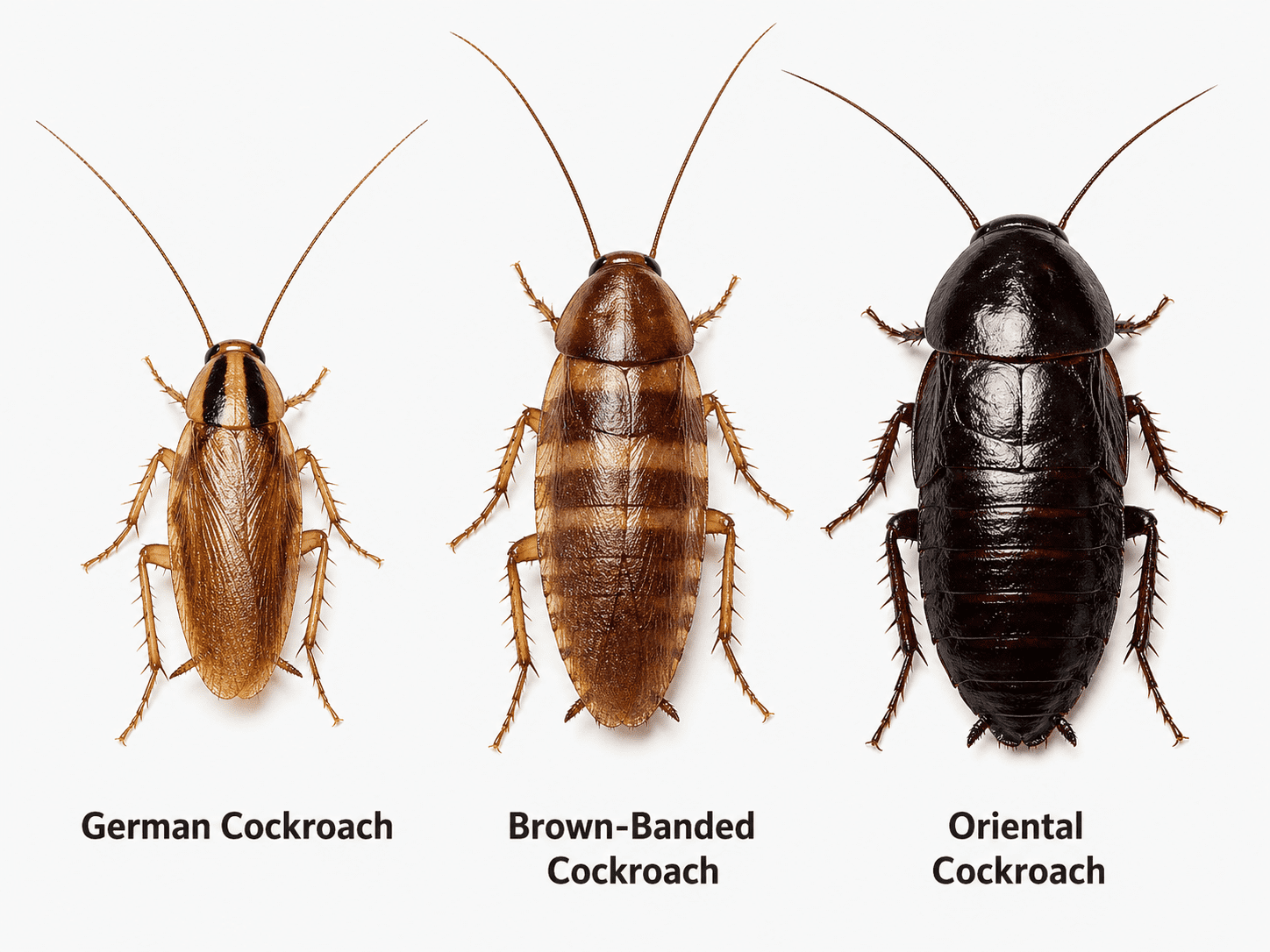
In our area, the main cockroaches we treat are usually German cockroaches indoors, with brown-banded cockroaches occasionally found inside as well. In certain locations, especially downtown Eugene and parts of Corvallis, we also see oriental roach problems more often than many homeowners expect.
The important thing to understand is that roach treatment is not one-size-fits-all. Treatment protocols can vary quite a bit depending on whether the problem is German cockroaches, oriental roaches, or another species, so the right approach needs to be clear from the start.
The Main Cockroaches We Treat
German Cockroach
German cockroaches are the most common interior infestation roach we deal with. These are the roaches most often found in kitchens, bathrooms, laundry rooms, utility areas, and anywhere they have access to food, moisture, and shelter.
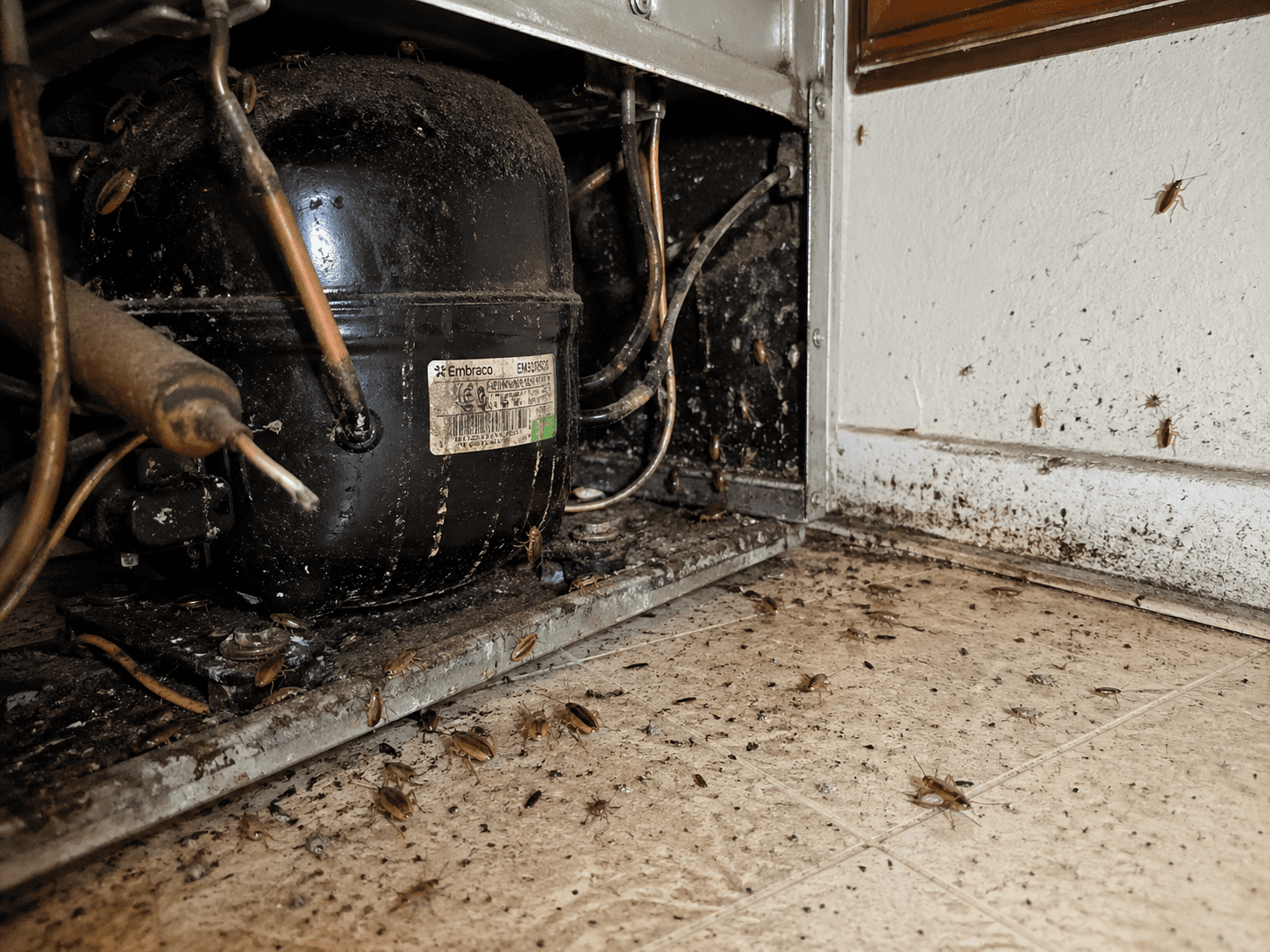
They tend to hide in tight cracks and crevices, behind appliances, inside cabinets, around sinks, and in other warm protected areas. German roaches are usually the species people are dealing with when they suddenly start seeing multiple roaches inside the home.
Because they reproduce quickly, German cockroach problems usually need prompt and targeted interior treatment.
Brown-Banded Cockroaches
Brown-banded cockroaches are less common than German roaches, but they do show up indoors from time to time. Unlike German cockroaches, they are often more comfortable in drier areas and may be found higher up on walls, around ceilings, in furniture, behind wall décor, or in less obvious indoor harborage spots.
Because of that, brown-banded infestations can sometimes look different from a typical kitchen-centered German roach issue.
Oriental Roaches
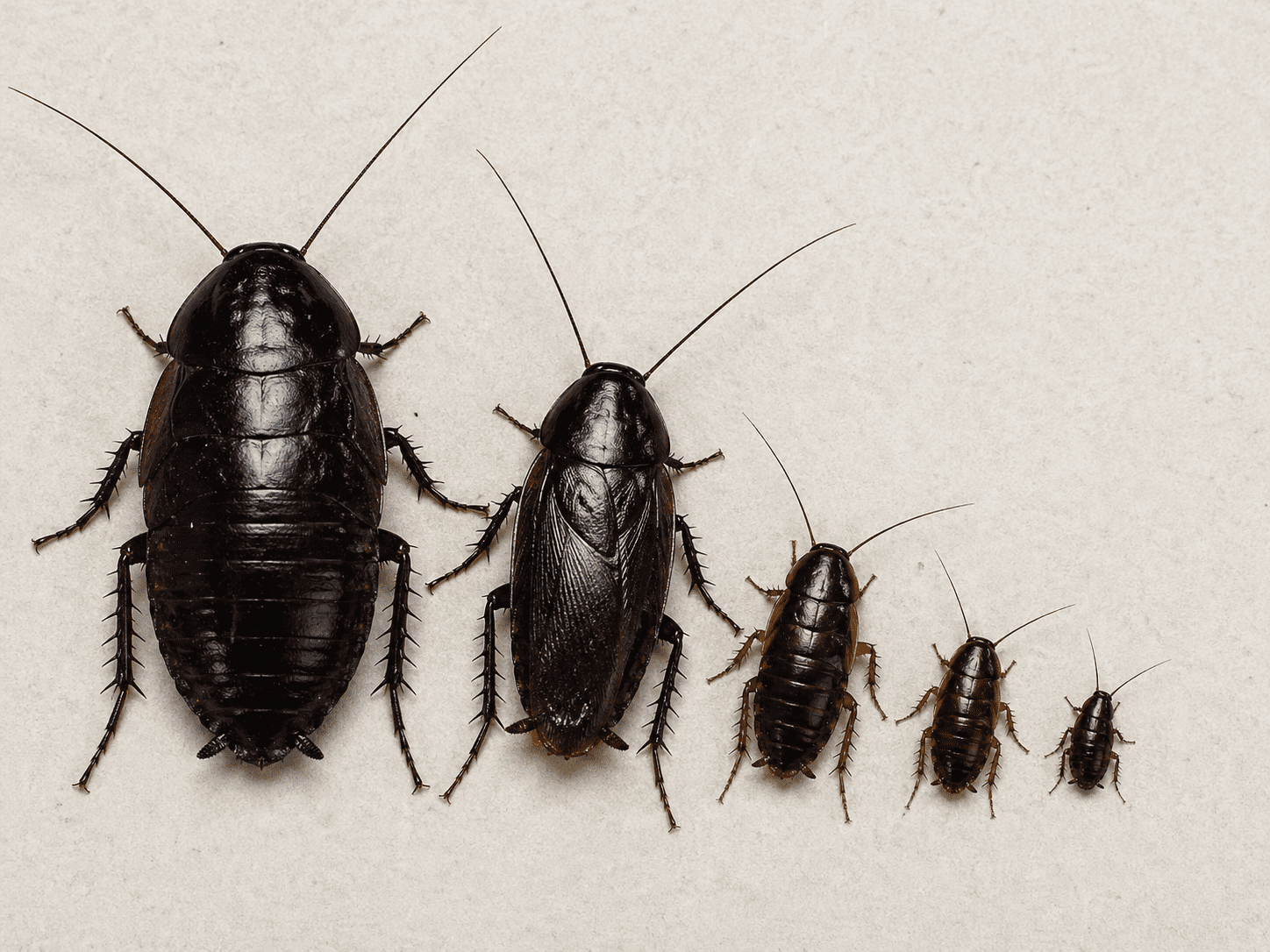
Oriental roaches are a very different type of cockroach problem. In our service experience, certain areas — especially downtown Eugene and parts of Corvallis — tend to be notable hotspots for oriental roach activity.
These roaches are more commonly connected to moisture, crawl spaces, basements, garages, drains, foundation areas, and exterior harborage, since damp conditions and structural gaps can create a path into the structure rather than the classic warm kitchen infestation pattern of German roaches.
That is why treatment for oriental roaches usually looks very different from treatment for German roaches.
Why Roach Species Matter
A lot of people hear “cockroaches” and assume the treatment should always be the same. In reality, that can lead to poor results.
For example:
- German cockroach control is usually much more focused on interior treatment, crack-and-crevice work, baiting, sanitation, and repeated follow-up.
- Oriental roach control often depends more on moisture reduction, exterior and structural conditions, crawl space or basement treatment, and reducing the places they are hiding around the property.
If the wrong strategy is used for the species involved, the infestation may continue even after treatment.
Common Signs of a Cockroach Problem
Roaches are usually most active when people are not around, so the first signs are often indirect.
You may have a cockroach issue if you are noticing:
- live roaches in kitchens, bathrooms, or garages
- roaches showing up at night when lights come on
- droppings in cabinets, drawers, or along edges
- egg cases or shed skins in hidden areas
- activity behind appliances or around plumbing
- a stale or unpleasant odor in severe infestations
- recurring roach sightings even after using store-bought products
The more often you are seeing roaches, especially during the day, the more serious the problem may be.
Where Cockroaches Commonly Hide
Roaches do not stay out in the open for long. They usually stay packed into tight protected areas close to food, water, or moisture.
Common hiding areas include:
- behind refrigerators and stoves
- under sinks and around plumbing penetrations
- inside cabinet voids
- around dishwashers and laundry equipment
- in wall voids and utility spaces
- in crawl spaces and basements
- around drains and damp structural areas
- near garages, foundation edges, and cluttered storage zones
Different species favor different harborage areas, which is another reason proper identification matters.
Our Cockroach Control Approach
Good roach control starts with figuring out which species is present and where the main pressure is coming from. A heavy German cockroach infestation inside a kitchen needs a different plan than recurring oriental roaches coming from a crawl space or exterior moisture zone.
A typical cockroach service may include:
Inspection and Identification
We inspect the property to determine what species is present, collecting the information needed to choose the right treatment, how widespread the activity is, and what conditions are allowing it to continue.
Targeted Treatment
Treatment is focused on the species involved and the places where that type of roach is most likely to hide. This may include interior crack-and-crevice treatment, baiting, insect growth regulators, or treatment of damp structural and exterior areas depending on the roach involved.
Follow-Up Service
Roach infestations often require more than one visit, especially with German cockroaches. Follow-up helps track progress, adjust treatment, and make sure pressure is actually going down.
Sanitation and Conducive Condition Recommendations
Food debris, grease buildup, leaks, clutter, cardboard storage, and moisture problems can all make cockroach issues worse. Correcting those conditions is often a key part of getting lasting control. These sanitation steps are practical tips that support longer-term roach control.
German Cockroach Treatment vs. Oriental Roach Treatment
This is one of the biggest things property owners should know: German roach protocols and oriental roach protocols can vary quite a bit.
German Cockroach Treatment
German cockroach service is usually centered on:
- kitchens and bathrooms
- interior harborages
- appliances and cabinet voids
- sanitation correction
- baiting and crack-and-crevice treatment
- close follow-up due to fast reproduction
Oriental Roach Treatment
Oriental roach service is often more focused on:
- damp crawl spaces or basements
- garage and utility areas
- foundation and exterior entry zones
- drains, leaks, and moisture issues
- harborage reduction outdoors
- reducing conditions that allow them to move inside
When the wrong type of treatment is used, roach activity can linger longer than it should.
Why Store-Bought Roach Control Often Falls Short
A lot of people try sprays, foggers, or over-the-counter bait before calling for help. The problem is that store-bought products often do not reach the main nesting areas, and effective control starts by using an inspection to check the true harborage areas instead of guessing, since some products can even scatter the infestation or make control harder.
With cockroaches, success usually depends on:
- correct species identification
- finding the real harborage areas
- using the right materials in the right places
- combining treatment with sanitation and moisture correction
- following up until the infestation is under control
How to Help Prevent Cockroach Problems
There are several practical steps to remember that can help reduce roach pressure:
- clean up food debris and grease promptly
- avoid leaving pet food out overnight
- fix plumbing leaks and moisture issues
- reduce cardboard and clutter in storage areas
- seal gaps around plumbing and utility lines
- keep garages, crawl spaces, and utility areas cleaner
- address exterior moisture and drainage issues
These steps help, but established infestations usually still need professional treatment and professional guidance.
Schedule Cockroach Control Service
If you are seeing roaches in the kitchen, bathroom, garage, crawl space, or around the structure, it is best to address the issue early. Cockroach infestations tend to grow over time, and treatment is usually easier when the problem is caught sooner.
Whether you are dealing with German cockroaches indoors, brown-banded roaches inside, or oriental roaches in moisture-prone areas, we can help identify the issue and build the right treatment plan for the species involved.