

Contact Us
Professional Tick Treatment for Yards and Outdoor Spaces
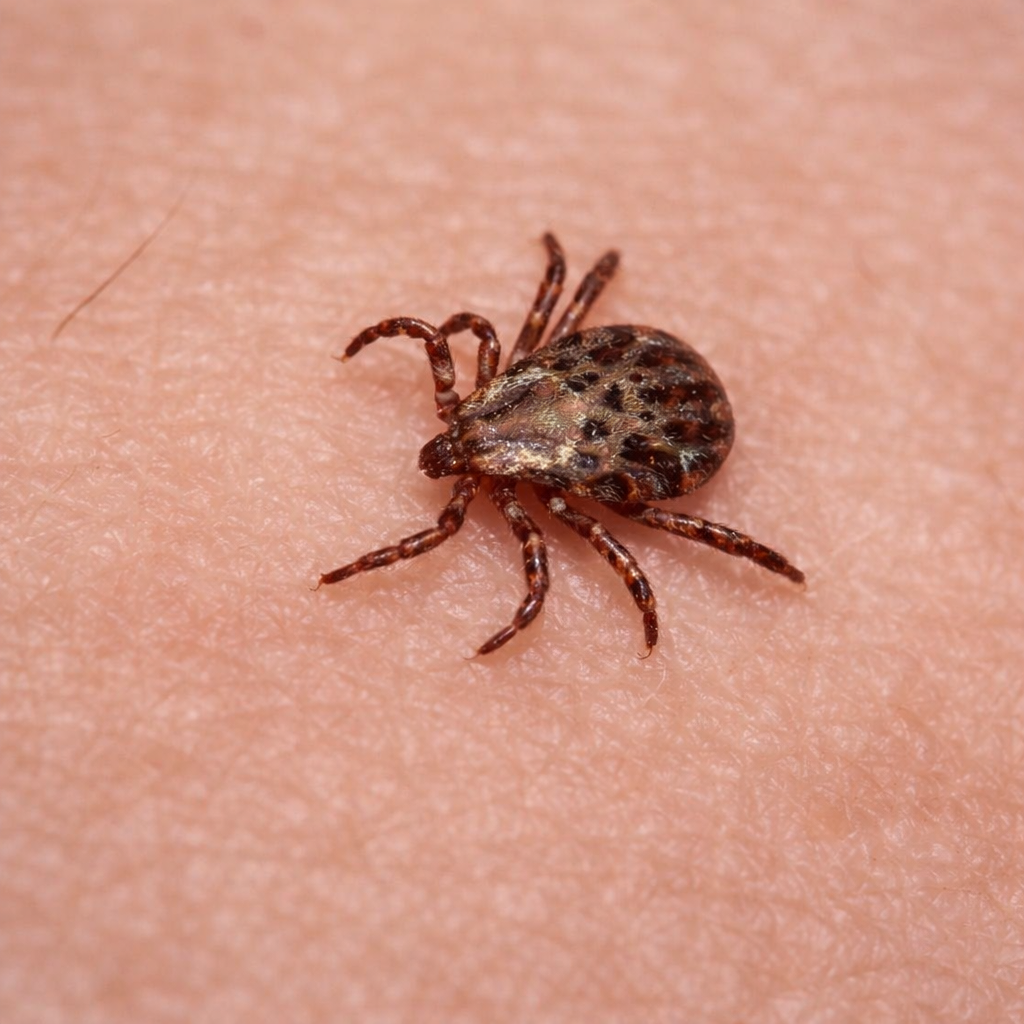
Ticks can make it hard to enjoy your own property. Whether you have pets, kids, property near wooded areas, or overgrown landscape areas, ticks can become a real concern around the yard for both pets and humans. They are small, easy to miss, and often picked up without anyone noticing until later.
Our tick control service is designed to help reduce tick activity and control ticks in the places they are most likely to hide. Rather than treating the entire property blindly, we do not spray the entire yard and instead focus on the areas where ticks tend to live, travel, and wait for a host.
Why Ticks Around the Property Matter for Lyme Disease
Unlike many pests that are mainly a nuisance, ticks create concern because they attach to people and animals outdoors, and some species can transmit lyme disease and other disease risks. They do not usually run across open patios or hard surfaces the way ants or spiders might. Instead, they stay hidden in shaded, protected areas and wait to bite when a person or pet brushes past.
Tick problems are often worse on properties with:
- tall grass or heavy ground cover
- wooded edges or tree lines
- brushy fence lines
- leaf litter and damp shady areas
- wildlife traffic from deer, rodents, mice, or other animals
- pets moving in and out of the yard
Even a yard that looks neat in the open can still have ideal tick habitat around the perimeter.
Where Ticks Commonly Hide
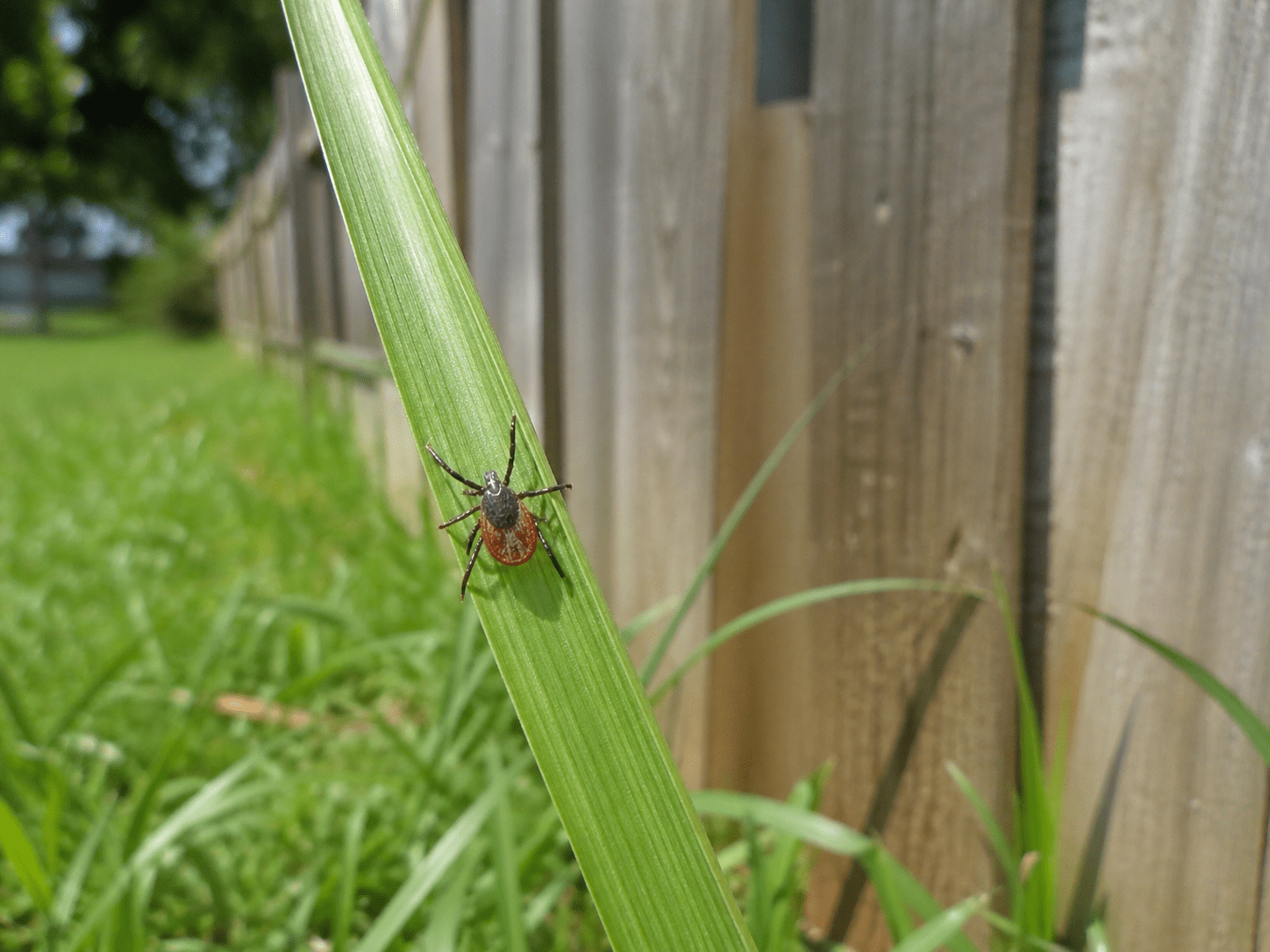
Ticks usually stay low and protected from heat and direct sun, and blacklegged ticks and deer ticks are commonly associated with these sheltered habitats. They are most often found in places that hold moisture and provide cover.
Common tick hotspots include:
- lawn edges near shrubs or fences
- areas with tall grass or weeds
- around wood piles and nearby stone walls
- under dense bushes
- along woodland edges
- leaf buildup and debris
- pet resting areas near landscaping
These hidden zones are usually much more important than the middle of the lawn.
Signs You May Have a Tick Problem or Tick Bites
Ticks are not always easy to spot in the yard itself, so the first clue is often finding them on a pet, on clothing, or after spending time outdoors and coming indoors.
You may have increased tick activity if:
- pets, especially a dog, are bringing ticks inside
- family members find ticks after being in the yard
- wildlife is frequently crossing the property
- your yard backs up to natural or brushy areas
- sections of the property stay shaded and overgrown
- you notice ticks repeatedly in the same outdoor areas
A single tick does not always mean there is a major infestation, but repeat activity around the home can raise concern about tick bite risk and possible infection.
Our Tick Control Approach
Tick treatments work best when they are focused on habitat and movement patterns rather than random blanket spraying.
A typical tick service may include:
Property Evaluation
We look at the layout of the yard and identify likely tick harborage zones, including shaded borders, overgrowth, fence lines, transition areas between lawn and natural cover, and recreational areas near the house. Several factors affect where ticks build up on a property, including moisture, cover, and animal movement.
Targeted Treatment to Kill Ticks
Treatment is applied with targeted pesticides to the areas where ticks are most likely to live and travel, always in line with label instructions. Some programs rely on a single application, while others need follow-up based on site conditions and tick activity. This often includes perimeter zones, landscape edges, and other protected outdoor areas where black legged ticks are most active.
Risk Reduction Recommendations
We can point out conditions that are making the property more favorable for ticks, such as dense ground cover, heavy debris, untreated borders, or wildlife-friendly hiding areas, and recommend keeping grass short and to clear tall grasses in problem spots. We also advise homeowners to remove leaf litter and manage plants near borders and shaded zones. Barriers made with gravel or wood chips can help create a tick safe zone between lawn areas and wooded edges. Moving bird feeders away from commonly used spaces can reduce wildlife activity near the yard.
Ongoing Service When Needed
On some properties, one treatment is not enough for lasting relief, and ongoing service may be needed to reduce tick populations over time. Tick pressure can continue when surrounding habitat, pets, or wildlife keep bringing activity back into the yard. Integrated pest management often works best when habitat changes and repeat monitoring are combined. More research continues to shape best practices for long-term tick control.
How to Make Your Yard Less Attractive to Ticks With Tick Tubes
Good tick prevention usually involves a combination of treatment and habitat improvement. Reducing favorable conditions can make a big difference over time and help reduce exposure around the yard.
Helpful steps include:
- keep grass short and cut regularly
- trim weeds and brush back from lawn edges
- reduce leaf litter and yard debris
- remove plants and cover near shady areas
- keep play areas away from wooded borders when possible
- discourage wildlife activity near the home
- keep cats indoors when possible to reduce tick exposure
- check pets after spending time outdoors
- do a thorough tick check after outdoor activity
When the yard has strong cover, moisture, and animal traffic, tick activity is usually more persistent.
Tick Control for Homes With Pets and Children
Ticks are especially frustrating for households with dogs, cats, children, or frequent outdoor activity. Areas near swing sets, pet runs, walking paths, and backyard seating can all become concern zones when ticks are present nearby. Keeping pets indoors after heavy tick exposure and checking them promptly can also help reduce the chance of ticks being carried inside.
Professional treatment helps reduce activity where people and pets spend time, with applications designed to kill ticks in the spaces where families and pets spend time, while also addressing the hidden edges and shaded spots where ticks are most likely to survive.
Why Professional Tick Control Helps
Ticks are easy to overlook because they do not usually create obvious nests or visible damage. Many homeowners do not realize how much the landscape itself affects tick pressure. Store-bought products may provide limited relief, and while some homeowners consider pest control products or services, targeted professional treatment usually works better because it reaches the places that matter most.
A professional approach focuses on where ticks are actually living, not just where they happen to be noticed. That makes treatment more effective and more practical for long-term control. Treatment choices should also account for beneficial insects and other non-target concerns.
Schedule Tick Control Service
If you are finding ticks on pets, on clothing, or around your yard, it is a good time to take action before the problem gets worse, and prompt service can lower the risk of Lyme and other tick-related problems around the property. The sooner tick-prone areas are treated, the easier it is to reduce activity and make your outdoor space more comfortable. Reducing activity near commonly used outdoor spaces can also help protect family members and pets from bites.
Our tick control service helps target the areas that matter most so you can get more use out of your yard with less worry.