

Contact Us
Termites Oregon Control
Oregon Termite Control for the Two Main Termite Types Found Here
When most homeowners in Oregon think about termites, they usually only need to worry about two main types: western subterranean termites and dampwood termites. Those are the primary termite species discussed by Oregon and Pacific Northwest sources for structural concerns in this region. Drywood termites may occasionally be found in imported items, but they are considered uncommon here and are not established in Oregon.
That distinction matters because not every termite problem is handled the same way. Western subterranean termites are the more serious structural pest, while dampwood termites are usually a moisture-related issue, and termites are social insects with colony behaviors that affect how infestations spread and how treatment is approached. In many dampwood cases, the real fix is correcting the water or wood-moisture problem rather than relying on a traditional termite treatment alone.
The Two Main Termites Found in Oregon
Western Subterranean Termites
Western subterranean termites live in the soil and rely on soil moisture to survive. The eastern subterranean termite is a different species discussed in other regions, while Oregon structural cases are typically western subterranean. They can attack unprotected wood in a structure and often travel from the ground to the wood through mud tubes or hidden pathways. Oregon State University identifies subterranean termites as a serious structural pest in our region.
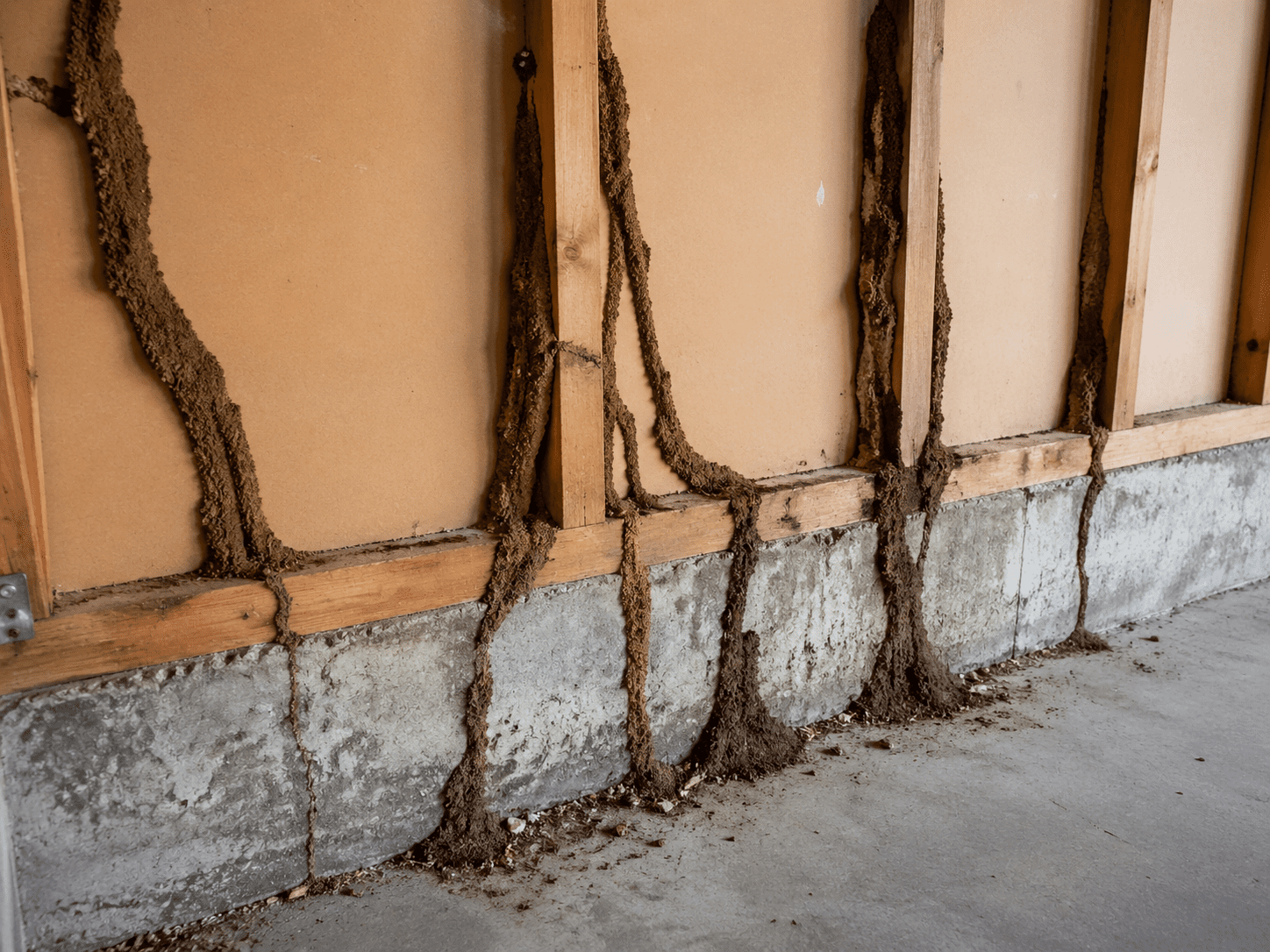
In Oregon, western subterranean termites are more commonly associated with true structural risk. They may enter through wood-to-soil contact, cracks, expansion joints, utility penetrations, crawl spaces, or other hidden areas where wood and moisture conditions allow them to stay active, and inspectors may also spot shelter tubes on exterior walls or along support piers. Their termite nests are usually hidden in soil, and termites find wood by moving from the ground into the structure.
Dampwood Termites
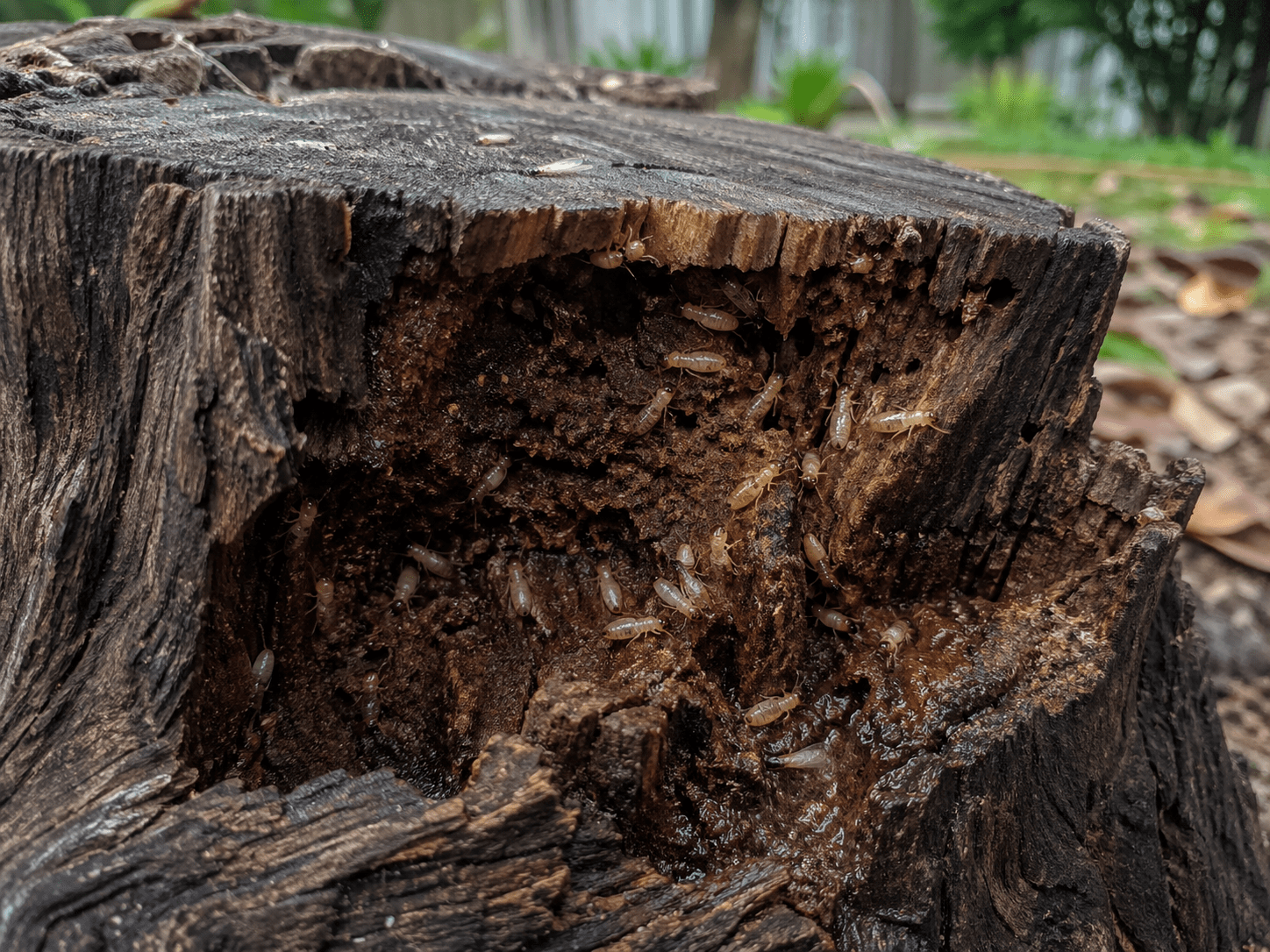
Dampwood termites are different. They need very moist or wet wood and are most often tied to leaks, poor drainage, chronically wet framing, or other moisture problems, and they are also commonly found in dead wood or dead trees that stay wet for long periods. Oregon State University specifically notes that the presence of dampwood termites in a home is most often the result of underlying moisture issues in the structure.
In many Oregon dampwood termite situations, the moisture source is the real problem. Unlike species that infest dry wood, dampwood termites in Oregon are primarily tied to very wet conditions. OSU guidance says dampwood termite issues rarely need direct termite treatment here; instead, the source of water should be fixed and damaged wood should be repaired or replaced as needed.
Why This Difference Matters
A lot of termite pages online make every termite sound the same, but that is not how it works in Oregon. If the issue is western subterranean termites, treatment is often focused on protecting the structure and interrupting termite access from the soil. If the issue is dampwood termites, solving the moisture problem is usually the key step that actually fixes the infestation.
That is why proper identification matters. Different termite colonies have different moisture needs, nesting habits, and risks to structural wood. If the type is misidentified, a single colony can stay hidden while damage continues to expand. A moisture-damaged area with dampwood termites is a very different problem from an active subterranean termite infestation coming from the ground and threatening structural wood.
Signs of Termite Infestation Around an Oregon Home
Homeowners may notice different warning signs depending on which termite is present.
Common signs can include:
- mud tubes or shelter tubes on foundation walls or supports, including dried mud on foundation areas
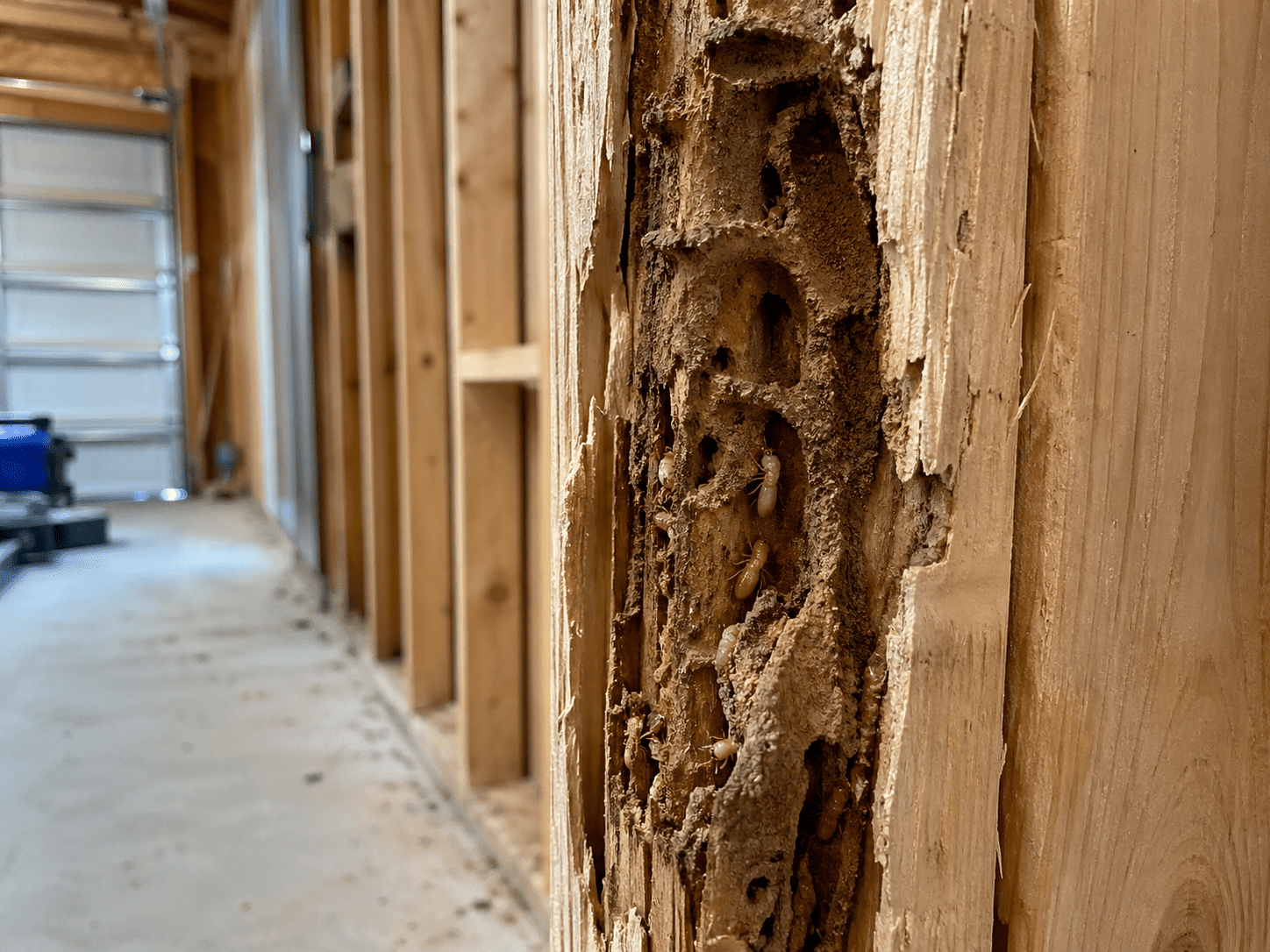
- soft, damaged, or hollow-sounding wood
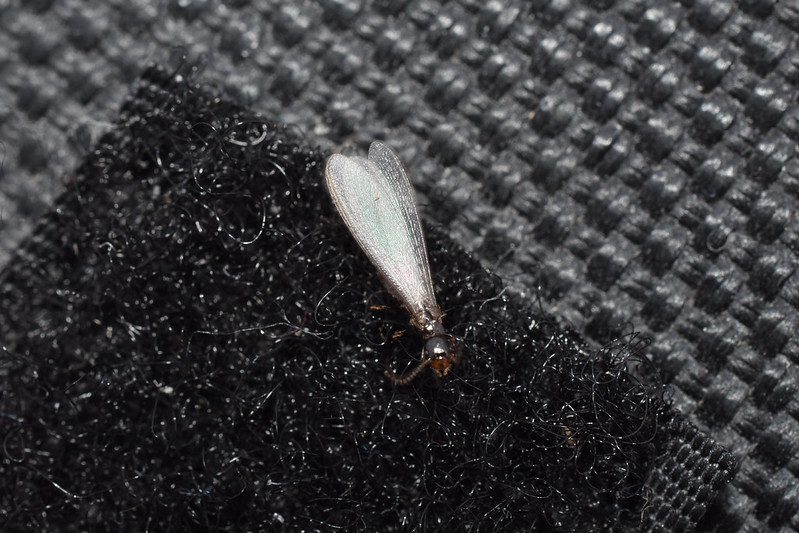
- termite swarmers or shed wings
- wet, decayed, or chronically damp wood with insect activity
- wood-to-soil contact around the structure
- moisture issues in crawl spaces, basements, garages, or framing areas
Subterranean termites are especially associated with mud tubes and soil contact, while dampwood termites are more closely associated with persistently wet wood. Winged termites are often mistaken for winged ants, but termites have straight antennae and equal-sized hind wings. Visible termite damage can show up on exposed wood or wood paneling and may progress to structural damage if ignored.
Where Termites Show Up in Oregon
Western subterranean termites and dampwood termites do not always favor the same conditions. Forestry and pest references for Oregon note that subterranean termites are more common east of the Cascades, while dampwood termites are more prevalent in western Oregon and western Washington. They are also often found near natural food sources such as stumps and other plant material on or near the forest floor.
Around homes, termite activity is often connected to:
- crawl spaces with moisture issues
- siding or framing with wood-to-soil contact
- leaking plumbing or roof leaks
- wet sill plates or damp framing
- stumps, wood debris, or untreated wood near the home, which can act as food sources and draw activity toward nearby wooden structures
- poor drainage around the structure
Our Oregon Termite Control Approach
A good termite service starts with figuring out which termite is actually present and why the conditions are allowing activity.
A typical termite service may include:
Inspection and Identification
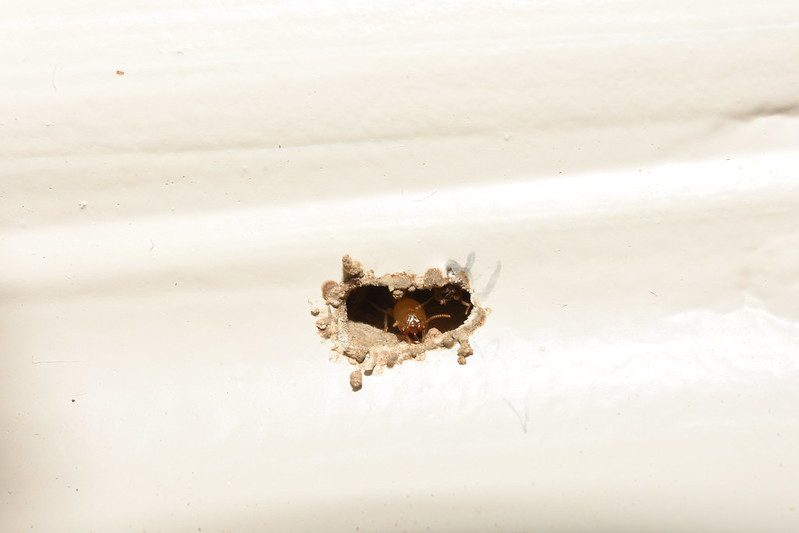
We inspect the structure, accessible wood, crawl space, exterior conditions, and moisture-related problem areas for termite nests, shelter tubes, dried mud, and other evidence of an active termite infestation to determine whether signs point to subterranean termites or dampwood termites. A professional inspection also helps distinguish termite swarmers from winged ants and confirm whether visible issues are current or old.
Targeted Recommendations
If the issue appears to be western subterranean termites, the plan may involve active treatment and structural protection steps. Depending on the situation, that can also include termite baits as part of a broader control plan. If the issue appears to be dampwood termites, the plan often centers on correcting the moisture problem first because that is usually what allows them to stay active. This approach matches OSU’s guidance that moisture correction is a key component of termite management in Oregon. Any product use should follow label directions and Environmental Protection Agency requirements.
Moisture and Conducive Condition Corrections
Termites are much more likely when a home has leaks, wet wood, drainage issues, or direct wood-to-soil contact, as well as exposed wood and wet exterior areas that allow direct contact with the structure. Reducing moisture and exposed access points makes it harder for termites to reach structural wood. Fixing those conditions is one of the most important parts of long-term termite prevention.
Dampwood Termites Usually Need the Moisture Problem Fixed
This is one of the biggest points Oregon homeowners should understand: dampwood termites usually are not solved by chemical treatment alone. They are there because the wood is staying wet enough for them to survive. If the leak, drainage issue, condensation problem, or other moisture source is not corrected, the conditions remain favorable. OSU specifically notes that dampwood termite presence is most often tied to moisture problems and that fixing those underlying conditions is essential.
In many cases, the right solution is to:
- fix the leak or water intrusion
- improve drainage or ventilation
- remove and replace damaged wood if needed
- eliminate chronic wood moisture conditions
How to Help Prevent Termites in Oregon
There are several practical ways to reduce the chances of termite problems around a structure:
- avoid wood-to-soil contact
- keep crawl spaces dry and properly ventilated
- fix plumbing leaks and roof leaks promptly
- improve drainage around the home
- remove scrap wood and wood debris near the structure
- keep structural wood dry whenever possible
- inspect periodically for tubes, damage, or moisture conditions
These steps are especially important in Oregon because both major termite types here depend on moisture, whether that moisture comes from the soil or from wet wood.
Schedule a Termite Inspection in Oregon
If you have seen mud tubes, damaged wood, swarming termites, or moisture-related termite activity, schedule a termite inspection with a qualified pest control company sooner rather than later. The most important first step is determining whether you are dealing with western subterranean termites or dampwood termites, because the right solution can be very different.
Most companies offer an initial evaluation, but property owners should ask about licensing, treatment options, and follow-up recommendations.
We help inspect for termite activity, identify conducive conditions, and recommend the next step based on what is actually happening at the property.