
Contact Us
Flea Control in Oregon
Fleas Around the Home? We Can Help
Fleas are small, but they can turn into a major problem fast. Once fleas get established in a home, they are not just living on pets. They can also be developing in carpet, pet bedding, furniture, cracks along baseboards, crawl spaces, and shaded outdoor areas.
That is why flea control is often more involved than people expect. A few bites or a pet scratching more than usual may seem minor at first, but once fleas begin reproducing indoors or around the property, the issue can spread quickly.
Our flea control service is designed to target active flea pressure, help break the flea life cycle, and support prevention by reducing the places where fleas keep developing so you can better prevent fleas before the problem keeps growing.
Why Fleas Are So Difficult to Get Rid Of
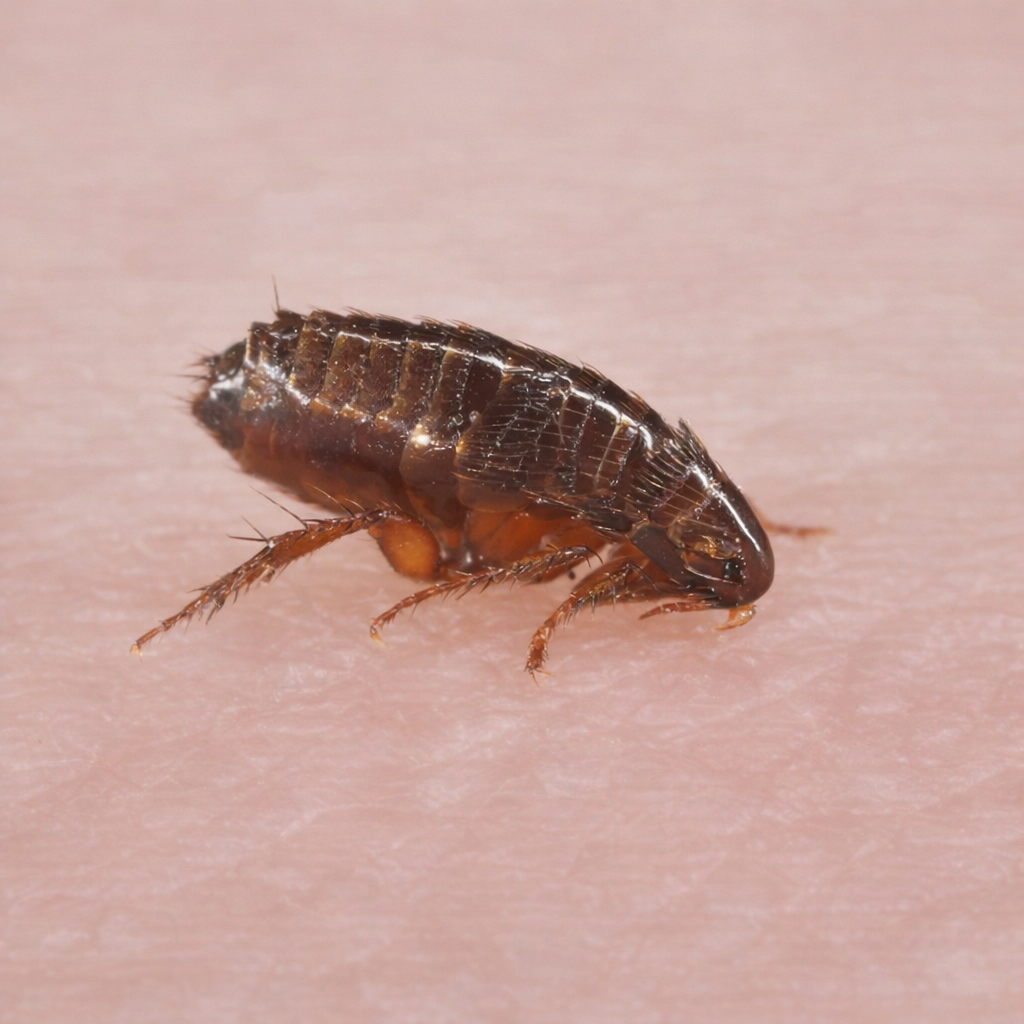
One of the biggest frustrations with fleas is that the common household flea, Ctenocephalides felis, is only part of the problem because a flea infestation usually includes multiple life stages at the same time.
That means a property may have:
- adult fleas biting pets and people
- flea eggs in carpet, rugs, or furniture after fleas lay eggs in the environment
- flea larvae hiding in protected areas
- pupae developing in places people do not notice
Later, eggs hatch, which is one reason infestations seem to return.
This is one reason flea problems often seem to come back even after a spray treatment or after pets have been treated once. Good flea control usually requires a more complete plan.
Where Fleas Usually Come From
Many flea infestations begin with an animal host. Dogs and cats are the most common source around homes, but fleas can also be introduced by wildlife, rodents, or other animals around the property.
Flea problems are often connected to:
- dogs or cats bringing fleas inside
- pets spending time in untreated yards
- wildlife activity under decks or crawl spaces
- rodents or feral animals near the structure
- pet bedding, furniture, or carpeted rooms
- shaded outdoor areas where pets rest
In some cases, homeowners start noticing fleas after an animal is no longer even present. That can happen because the flea life cycle is still continuing in the environment, and female fleas may keep the problem going by laying eggs nearby.
Common Signs of a Flea Problem
Fleas are easy to miss at first, especially when the infestation is still building.
You may have fleas if you are noticing:
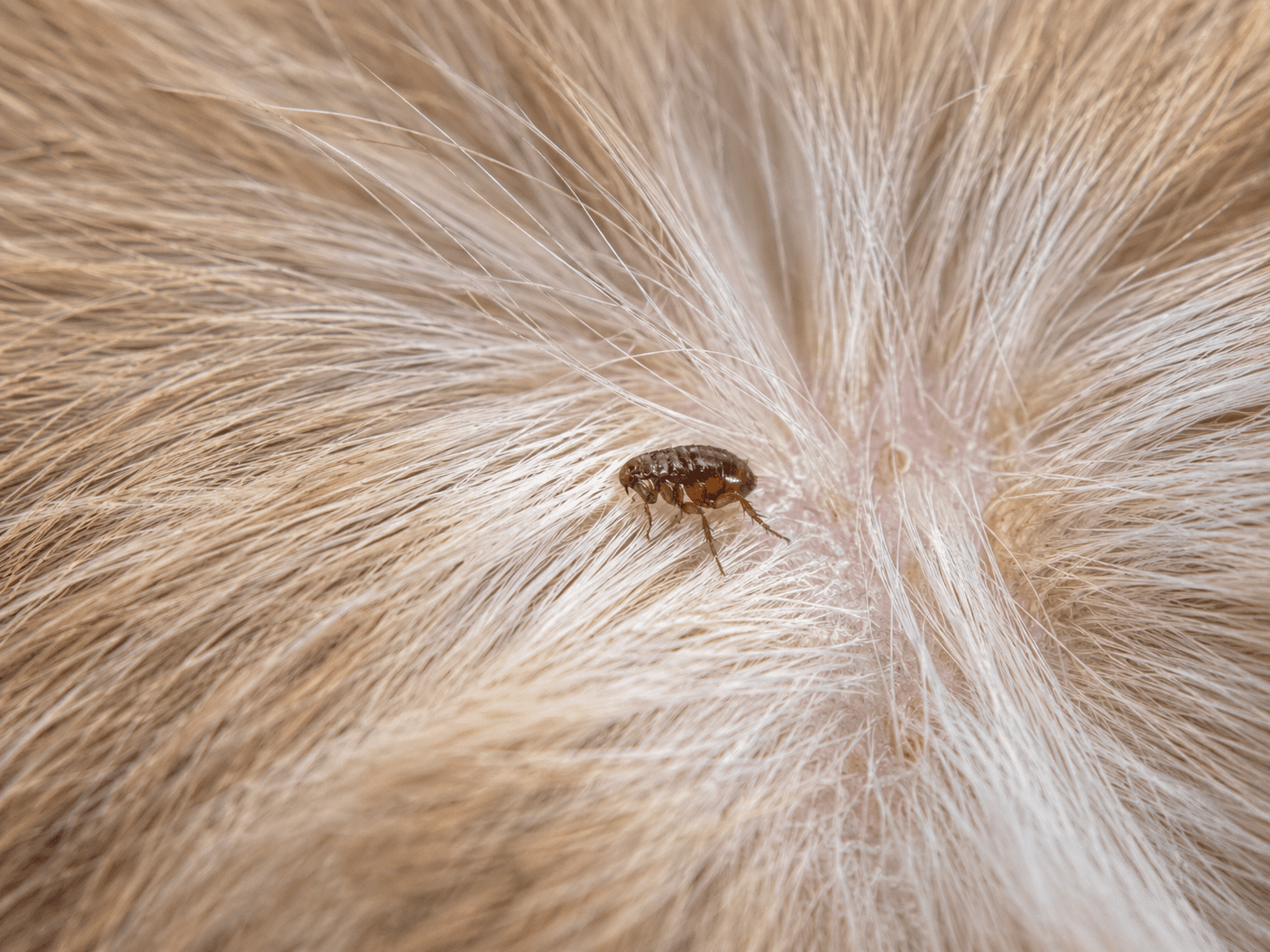
- pets scratching, biting, or grooming excessively
- small jumping insects on floors, socks, or pet bedding
- bites around ankles or lower legs
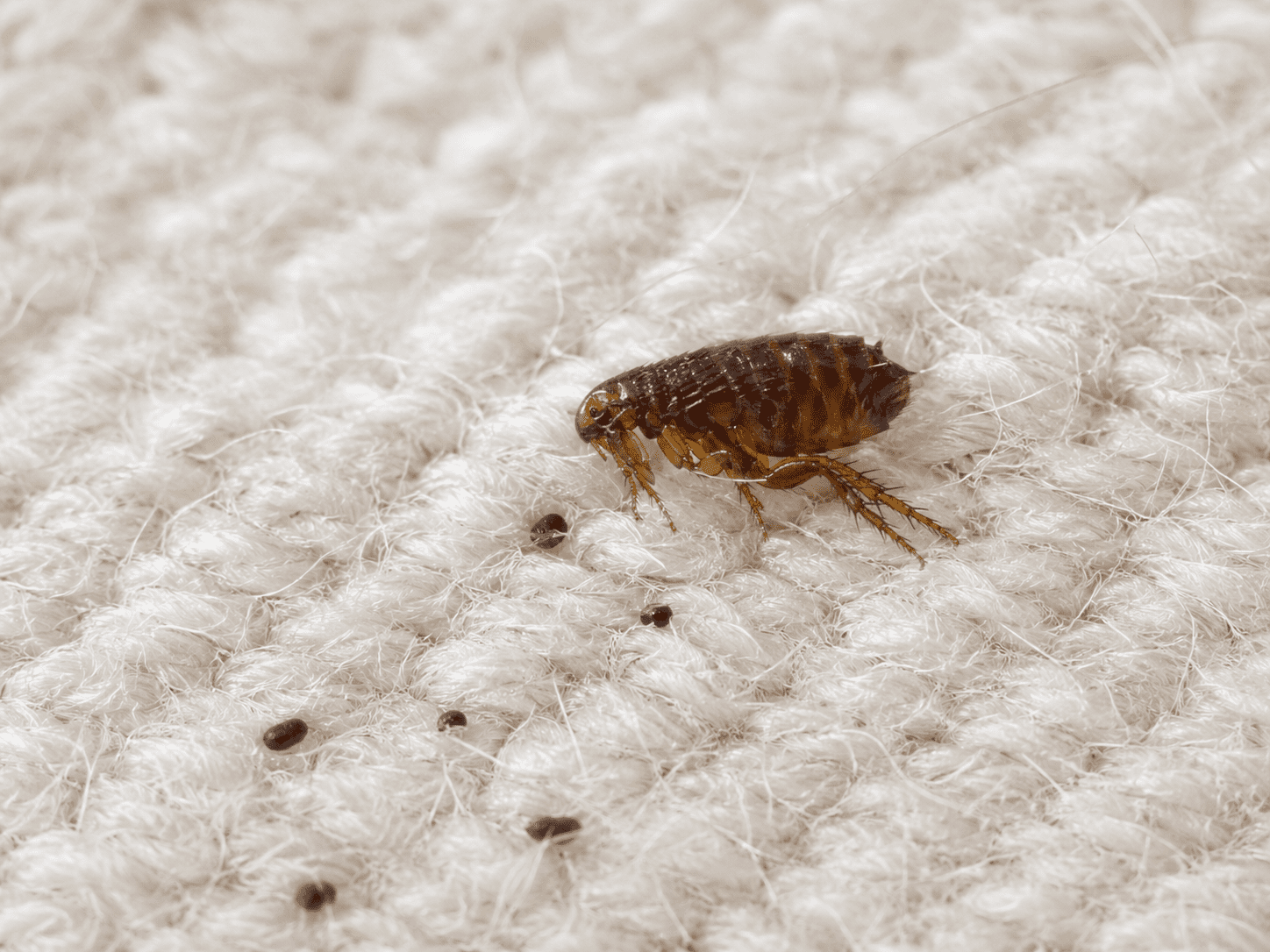
- flea dirt on pets or where pets sleep
- activity in carpeted rooms or furniture
- fleas showing up after a pet or wildlife issue nearby
A lot of flea infestations are first noticed because people feel bites before they ever clearly see the fleas themselves, and fleas can affect humans, not just pets.
The Most Common Fleas Around Homes
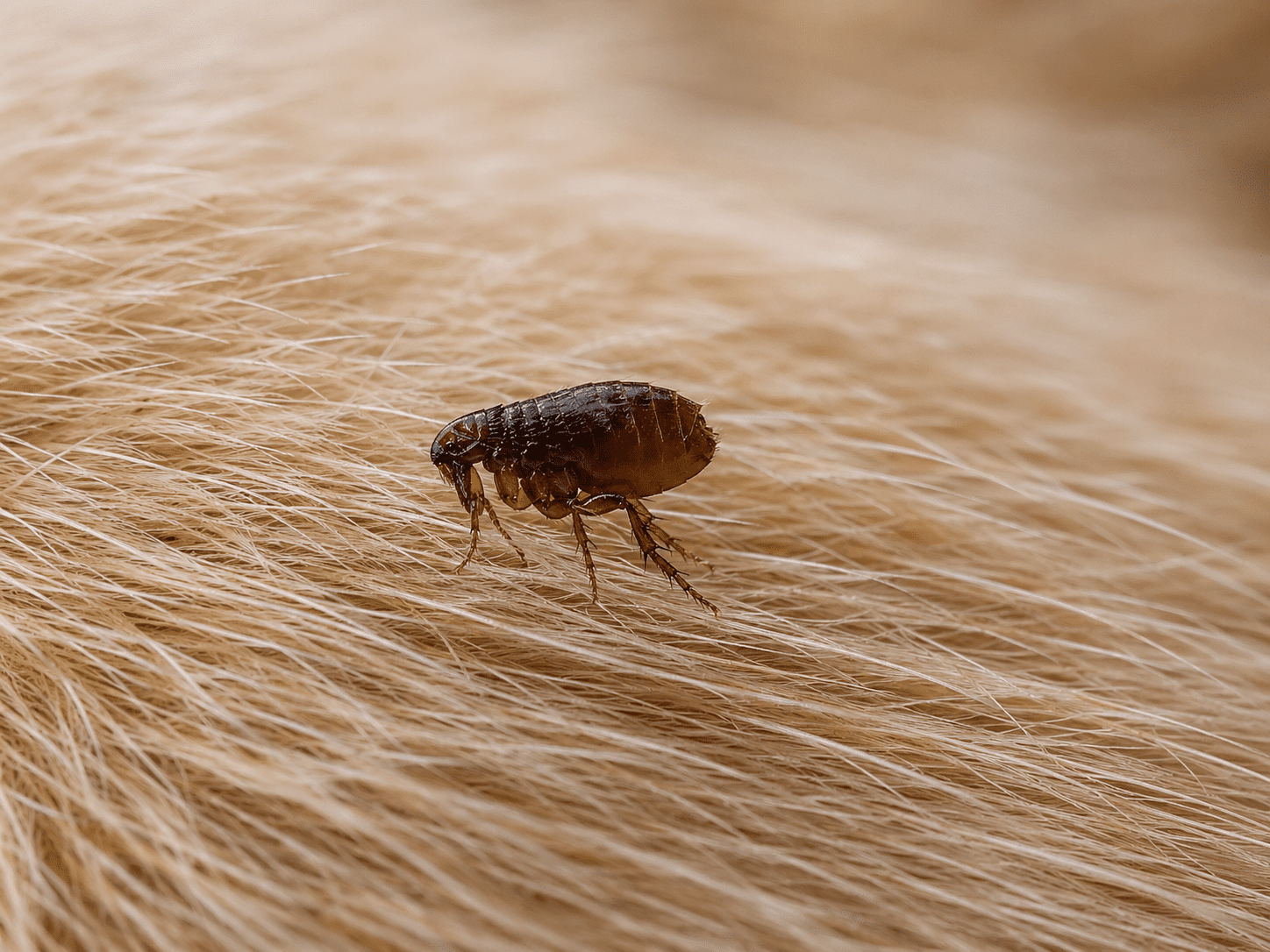
Most household flea problems are tied to the cat flea, the most common flea in Oregon homes, especially in western Oregon and the Willamette Valley, and also the flea most commonly found on dogs. Even though the name makes it sound limited, cat fleas are the main flea issue in many homes with either cats or dogs across the Pacific Northwest.
That matters because flea control usually needs to focus on the whole environment, not just one pet.
Where Fleas Hide Indoors
Fleas usually concentrate in the areas where pets spend the most time, but they do not stay limited to those areas forever.
Common indoor flea hotspots include:
- carpet and rugs
- pet bedding
- upholstered furniture
- cracks along baseboards
- under beds and couches
- closets and low-traffic rooms
- laundry rooms and mudrooms
- crawl spaces and attached garages
The more protected and undisturbed the area is, the easier it can be for fleas to keep developing.
Where Fleas Hide Outdoors
Outdoor flea pressure is often strongest in shaded, protected areas rather than out in open sunny lawn.
Common outdoor hotspots include:
- under decks and porches
- dog runs and pet rest areas
- shaded landscaping
- crawl space entrances
- areas where wildlife shelter
- fence lines and brushy edges
- spots where pets spend time lying down
This is why indoor-only treatment sometimes does not solve the full problem if pets or wildlife are still picking fleas up outside.
Our Flea Control Approach
Good flea control is about more than spraying where fleas are seen. It works best when treatment is aimed at the areas where fleas are actually developing.
A typical flea service may include:
Inspection of Problem Areas
We identify where flea pressure is strongest, which rooms or outdoor zones are most affected, and what conditions are allowing the infestation to continue.
Targeted Interior Treatment
Interior treatment is focused on the areas where fleas are likely to be active and developing, especially where pets spend time and where flea eggs and larvae are likely to collect. When appropriate, targeted interior service may use flea control products chosen to kill adult fleas and help kill eggs, and an insect growth regulator may be included to interrupt developing stages.
Outdoor Treatment if Needed
When flea pressure is tied to shaded pet areas, crawl spaces, decks, or wildlife activity, exterior treatment can be an important part of the overall control plan.
Recommendations for Breaking the Flea Life Cycle
Flea control works best when paired with vacuuming, pet treatment through a veterinarian, the right flea medication, and medication that may be topical on the pet’s skin or another veterinarian-directed option, with all pets in the home treated on the same day.
Why Flea Treatments Sometimes Need Follow-Up
This is one of the biggest things homeowners should know: flea control is often a process, not a one-time event.
Because fleas go through multiple life stages, a treatment may kill fleas without instantly stopping every developing stage already present in the home or yard. Left untreated, the infestation can keep cycling indoors and outdoors. That is why follow-up, monitoring, and homeowner preparation can make such a big difference in how quickly the infestation improves.
How to Help Get Better Results
There are several steps that usually help flea treatments work better:
- vacuum carpets and rugs regularly
- wash pet bedding in hot water
- treat pets consistently with appropriate flea prevention
- reduce wildlife or rodent activity near the home
- clean or replace heavily infested pet resting materials
- keep crawl spaces, decks, and shaded pet areas monitored
- limit untreated animal access around the property
Many pet owners assume flea season is limited to warm weather, but Oregon homes often need year round attention.
When pets are not treated or animal sources are still active, flea problems are much more likely to continue.
Flea Control for Homes With Pets
For pet owners, flea infestations are especially frustrating in homes with dogs and cats because the problem affects both the pets and the household, and ongoing infestations can also contribute to tapeworms. Even when pets are treated, fleas in the environment can continue biting and reproducing if the home and yard are not addressed at the same time, and the best plan depends on the pet’s age and overall needs.
That is why flea service is often most successful when the property treatment and the pet treatment plan are working together, with some veterinarian-recommended options also helping protect against ticks or heartworms.
Why Professional Flea Control Helps
Store-bought sprays, foggers, and other flea treatment options often produce mixed results, especially short-term products like flea shampoo that do not always reach the real trouble spots. Fleas are often concentrated in specific rooms, hidden harborages, pet zones, and shaded outdoor areas that need a more targeted plan.
Professional flea control helps by focusing on:
- the main activity zones
- the life cycle of the infestation
- indoor and outdoor sources
- the conditions allowing fleas to keep returning
Some products can help keep a home flea free, but temporary products alone often are not enough.
That usually leads to better results than treating random areas and hoping the problem fades out.
Schedule Flea Control Service
If you are getting bitten, your pets are scratching, or you are seeing fleas around the home, it is best to act early before they spread through the house. Prompt service matters because the vast majority of an infestation is often hidden in developing stages, not just in the fleas you see.
Our flea control service is designed to reduce active infestations and help stop the cycle from continuing inside and around the property.