Contact Us
Ant Control in Oregon
Ant Problems Around the Home? We Can Help
Ants are one of the most common pest issues homeowners deal with in Oregon. They are social insects that live in colonies with distinct roles, which is part of why a few ants in the kitchen can quickly turn into a much larger infestation. They show up in kitchens, bathrooms, wall voids, crawl spaces, garages, patios, and around the outside of the home. Sometimes it starts with a few ants on the counter, and other times it turns into trails running across the floor, into cabinets, or up the side of the house.
In our area, odorous house ants are the most common ants we treat. Many people know them by other names like sugar ants, oil ants, piss ants, and plenty of other nicknames depending on who you ask. Around Albany, people will even joke that the town is built on an ant hill.
The important thing to understand is that not all ant infestations are the same. Some ants are mainly nuisance pests, while others can point to moisture damage or wood-related issues. The species matters, and the treatment plan should match it, because ant colonies can be difficult to eliminate completely once established.
The Most Common Ants We Deal With
Odorous House Ants
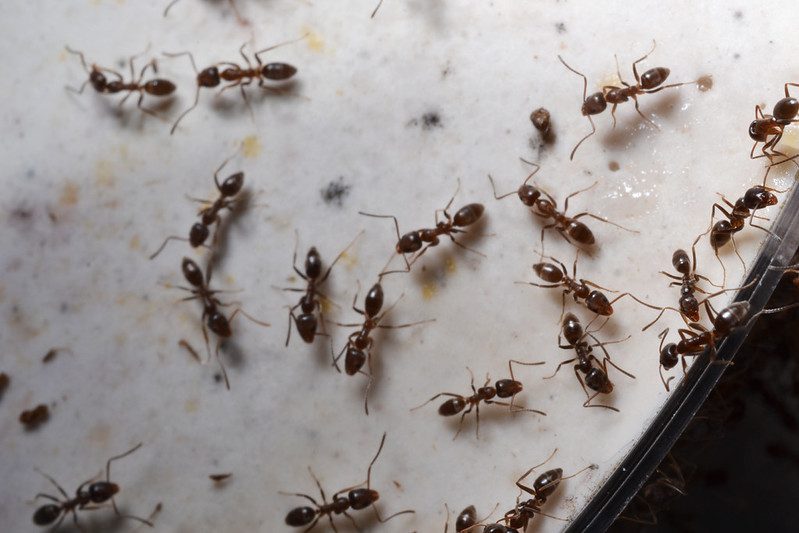
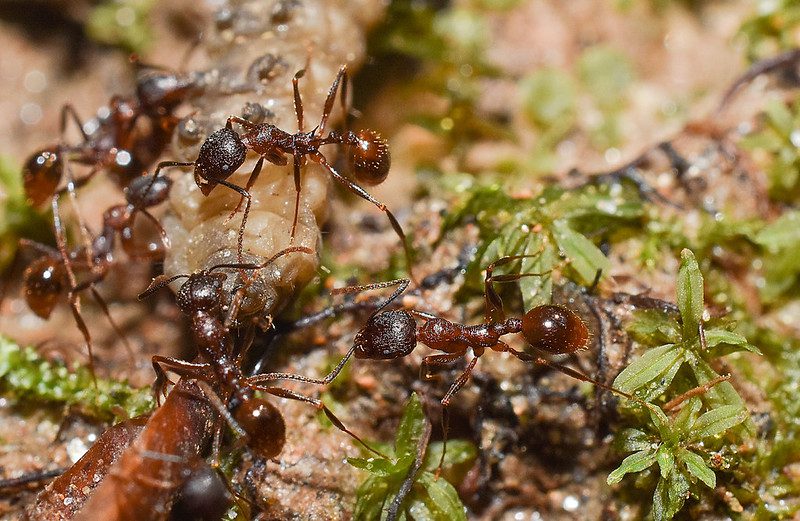
Odorous house ants are by far the most common ant problem we deal with. These are the little ants people usually see trailing into kitchens, bathrooms, pantries, sinks, windows, and other areas of the home.
They are commonly called:
- sugar ants
- oil ants
- piss ants
- little black ants
- and plenty of other local names
No matter what people call them, these ants are known for showing up in large numbers and for being persistent once they find food or moisture around the home. They often move colony sites, split into multiple nesting areas, and can be frustrating to control without the right approach.
Carpenter Ants
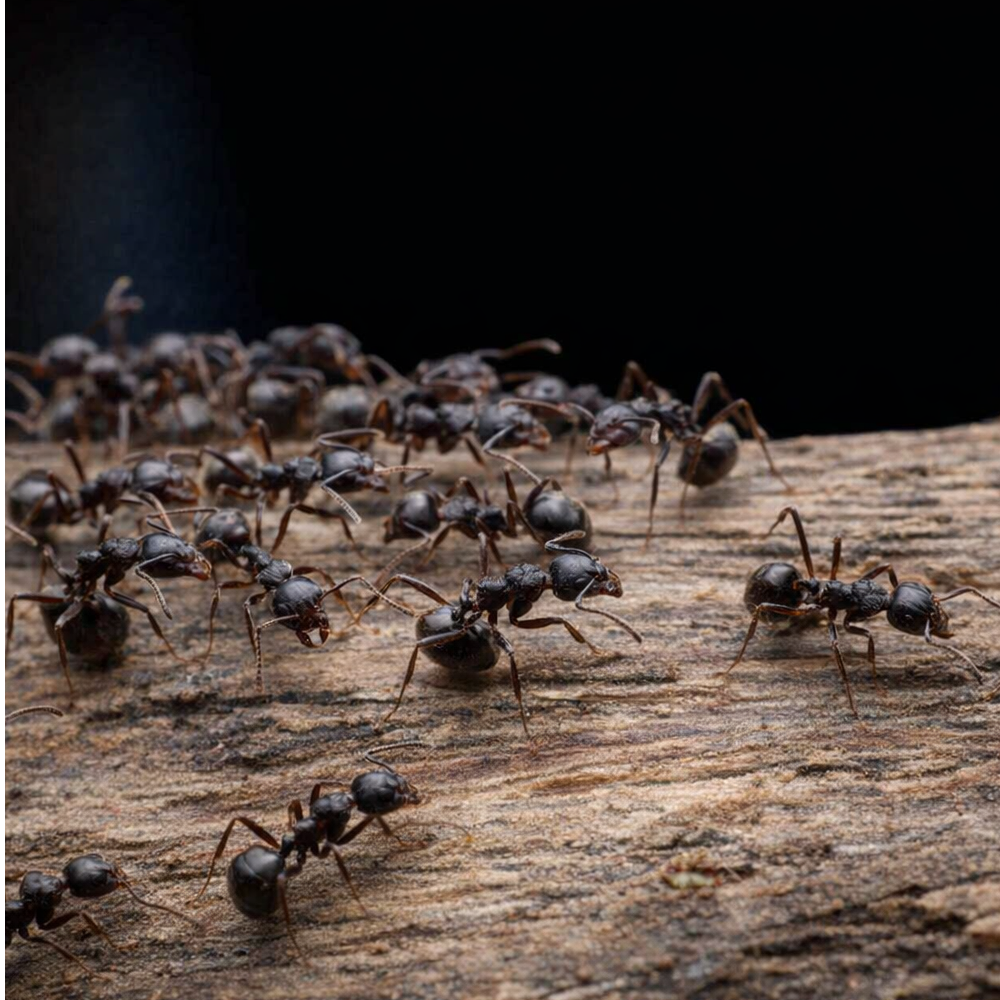
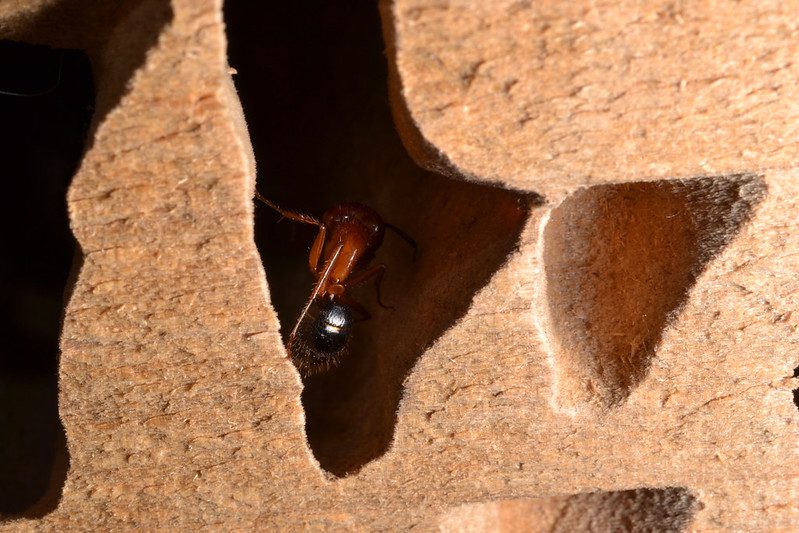
Carpenter ants are one of the more serious ants we deal with because they are considered a wood-destroying insect pest, or WDI. Unlike termites, they do not eat wood, but they can excavate it to create galleries for nesting.
That is why carpenter ants should never be brushed off as just another nuisance ant. If carpenter ants are active inside or around a structure, there may be a nest in the home, a satellite colony, or conditions that are making the property attractive to them.
Carpenter ants are often associated with:
- damp or damaged wood
- wall voids
- window and door leaks
- crawl spaces
- roofline moisture issues
- wood-to-soil contact
- decaying exterior trim or siding
Moisture Ants
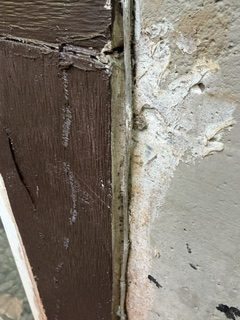
Moisture ants are another ant that often needs a different treatment approach. These ants are usually connected to wood with excessive moisture or decay, and that is why the moisture problem itself often has to be solved for long-term control.
In many moisture ant situations, treatment alone is not the full answer. If the wood stays wet, softened, or damaged, the conditions that allowed the ants in are still there. That is why moisture ants often require both pest control and correction of the underlying moisture issue.
Velvety Tree Ants
Velvety tree ants are less well known than carpenter ants, but they are still important. They are another ant that can be considered a wood-destroying insect pest and may be associated with wood issues around the structure.
Because most homeowners are unfamiliar with them, velvety tree ants are often overlooked or mistaken for another ant problem. When they are active around a home, proper identification matters so the treatment plan matches the pest.
Why Ant Species Matter
A lot of people hear “ants” and assume every infestation should be treated the same way. Ants communicate using pheromones and vibrations, which is one reason species can behave differently around homes. In reality, that can lead to poor results.
For example:
- Odorous house ants are usually treated as a nuisance ant problem involving trails, multiple nesting areas, and food-seeking activity.
- Carpenter ants require more attention to nesting locations, structural conditions, and possible wood damage.
- Moisture ants often point to wet or decaying wood, so the moisture source needs to be corrected.
- Velvety tree ants are less common but still important because they can also be tied to wood-related issues.
If the wrong strategy is used, the ants may keep coming back or the real issue may get missed.
Why Odorous House Ants Are So Common
Odorous house ants are successful because they adapt well to homes and neighborhoods. They can nest outdoors and then move inside when conditions are right. They are attracted to food, moisture, and easy access points, and they are known for moving quickly once they establish a foraging trail.
Common places they show up include:
- kitchen counters
- sinks and dishwashers
- bathrooms
- pantry shelves
- window frames
- door thresholds
- baseboards
- exterior foundation edges
These ants are especially frustrating because homeowners may wipe out one trail only to see another show up in a completely different area days later.
Common Signs of Worker Ants and an Ant Problem
Many ant infestations start small, but certain signs usually mean the issue is becoming established.
You may have an ant problem if you are noticing:
- ant trails in kitchens or bathrooms
- ants around sinks, counters, or pet food
- repeated activity around windows and doors
- ants coming from wall voids or electrical outlets
- sawdust-like debris or ant parts near trim or wood areas
- activity in crawl spaces, garages, or around the exterior foundation
- ants returning even after over-the-counter treatment
When ants keep reappearing, it usually means the colony is still active and the source has not been solved.
Where Ant Colonies Commonly Nest
Ant nesting areas depend heavily on the species involved.
Common nesting and activity zones include:
- under rocks, mulch, and landscape edges
- beneath siding or behind trim
- wall voids
- crawl spaces
- around plumbing leaks
- under windows with moisture damage
- in damaged deck or porch wood
- inside cabinets near plumbing
- under concrete edges or expansion joints
- tree bases, stumps, and wood debris
This is another reason identification matters. The place odorous house ants nest is not always the same kind of place carpenter ants or moisture ants will use.
Our Ant Control Approach
Good ant control starts with identifying the ant species and understanding why the property is allowing the infestation to continue, since effective service to control ants may use chemical, biological, and physical methods depending on the species and conditions on the property.
A typical ant service may include:
Inspection and Identification
We inspect where ants are active, what type of ant is involved, and whether the issue appears to be mainly nuisance activity or something more connected to wood or moisture conditions.
Targeted Treatment
Treatment is focused on the species involved and the areas where those ants are nesting, trailing, or entering the structure.
Exterior and Interior Control
Some ant problems are mainly exterior-driven, while others require focused indoor treatment as well. The best results usually come from addressing both the source and the areas where ants are being noticed.
Recommendations for Moisture or Structural Issues
With carpenter ants, moisture ants, and velvety tree ants, part of the service may involve pointing out conditions like leaks, decayed wood, or chronic moisture that are helping the infestation continue.
Moisture Ants Need More Than Just Treatment
This is one of the biggest things homeowners should know: moisture ants often need a different solution than ordinary nuisance ants.
If the ants are active because wood is staying wet, decayed, or damaged, then simply treating the ants may only be part of the answer. The leak, drainage issue, or moisture-damaged material often needs to be corrected too. If the moisture problem remains, the conditions that attracted the ants remain as well.
Carpenter Ants and Other WDI Ants Should Be Taken Seriously
Not every ant is a wood-destroying concern, but carpenter ants definitely deserve more attention than the average nuisance ant. The same goes for velvety tree ants, which are less talked about but can also be tied to wood-related structural conditions.
That does not mean every sighting equals major damage, but it does mean these ants should be identified correctly and not treated like a simple kitchen ant problem.
Why Store-Bought Ant Control Often Falls Short
A lot of homeowners try sprays or bait from the store first. Sometimes that helps temporarily, but it often does not solve the actual colony or nesting source.
Common reasons DIY ant control falls short include:
- the wrong product for the species
- spraying only visible trails
- not treating the colony source
- missing hidden nesting areas
- failing to correct moisture or structural conditions
- splitting or scattering colonies without fully eliminating the problem
Ant control usually works best when the plan matches the species.
How to Help Prevent Ant Problems
There are several practical steps that can help reduce ant pressure around the home:
- clean up food and spills quickly
- avoid leaving pet food out too long
- fix plumbing leaks and moisture problems
- trim vegetation away from the structure
- reduce wood debris and clutter near the home
- seal gaps around doors, windows, and utility lines
- repair damaged or decaying wood
- keep gutters and drainage working properly
These steps help, but established infestations often still need professional treatment.
Schedule Ant Control Service
If ants are showing up in the kitchen, bathroom, crawl space, wall voids, or around the outside of the home, it is best to get ahead of the problem early. Ant infestations tend to grow over time, and some species can point to bigger issues than people realize.
Whether you are dealing with odorous house ants, carpenter ants, moisture ants, or velvety tree ants, we can help identify the problem and recommend the right treatment plan.