Contact Us
Oregon Mosquito Control
Mosquito Problems Around Your Yard or Property?
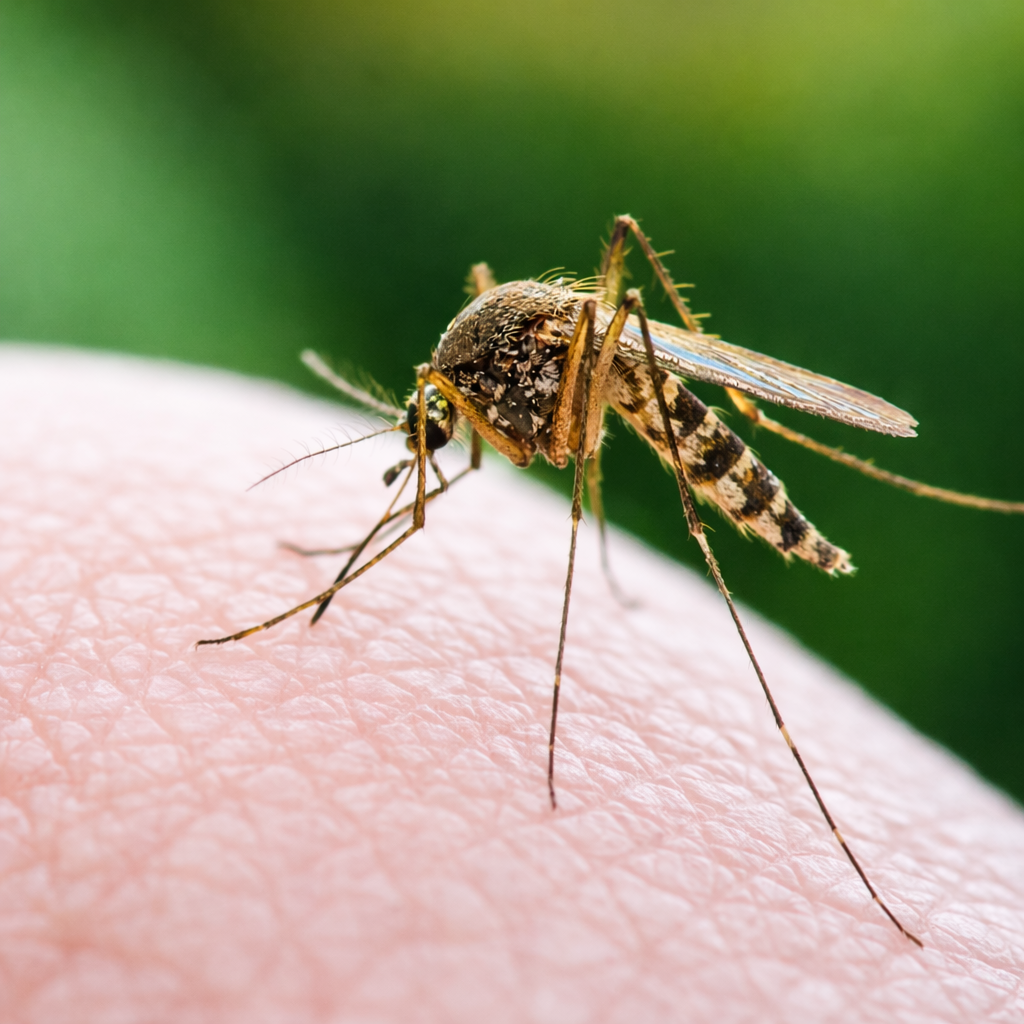
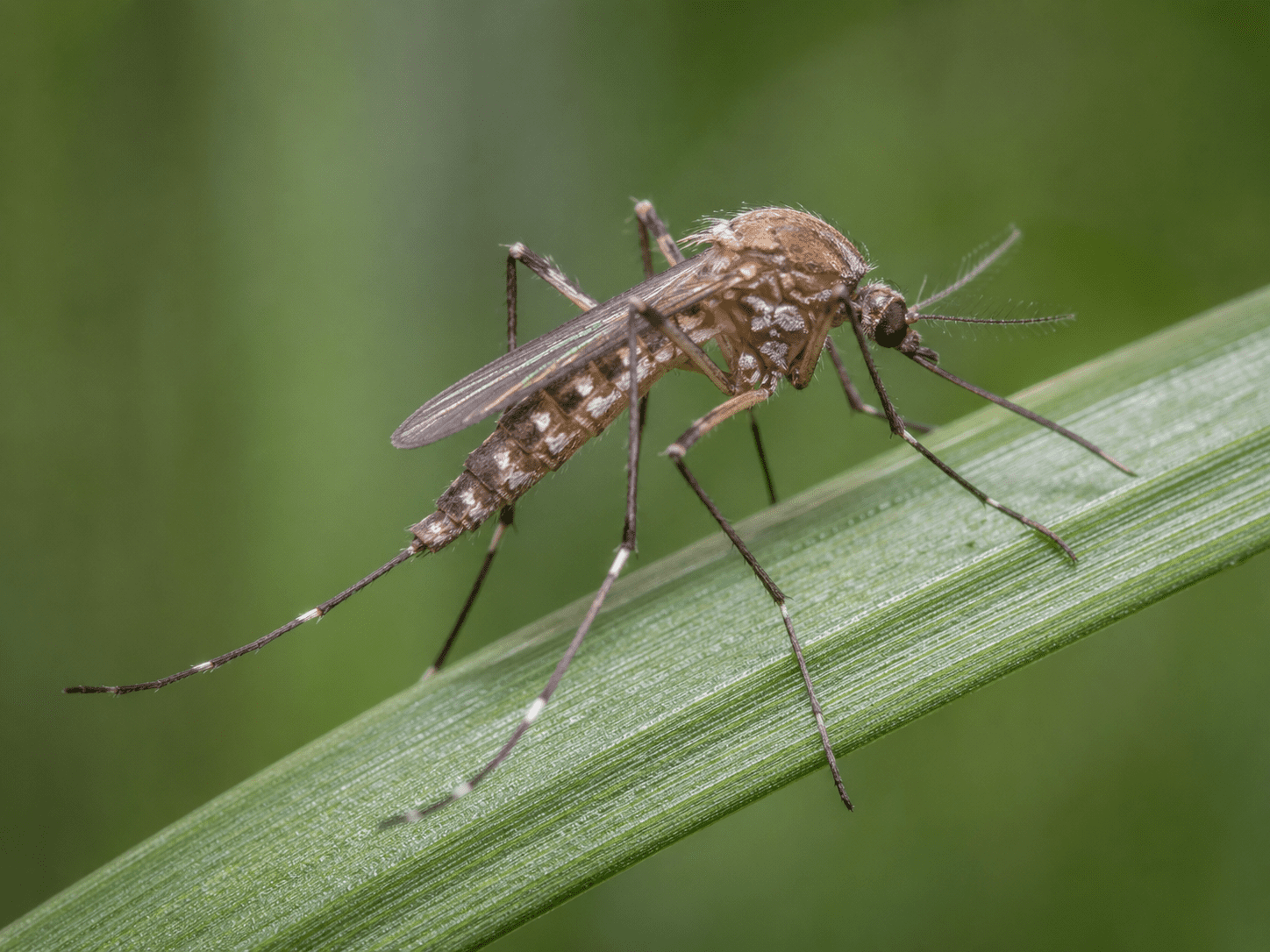
Mosquitoes are one of the most frustrating outdoor pests in Oregon because the issue usually starts long before people notice the biting. In most cases, the real problem is standing water. Oregon Health Authority says mosquitoes breed in standing water, and one of the most important prevention steps is draining or removing those water sources whenever possible.
Our mosquito control service is built around finding the source of activity, reducing breeding areas, and helping make outdoor spaces more usable again. That matters because not all mosquito problems are the same. Different Oregon mosquito species use different habitats, bite at different times, and raise different concerns.
The Main Mosquito Types People Deal With in the Columbia River Gorge and Oregon
Culex Mosquitoes
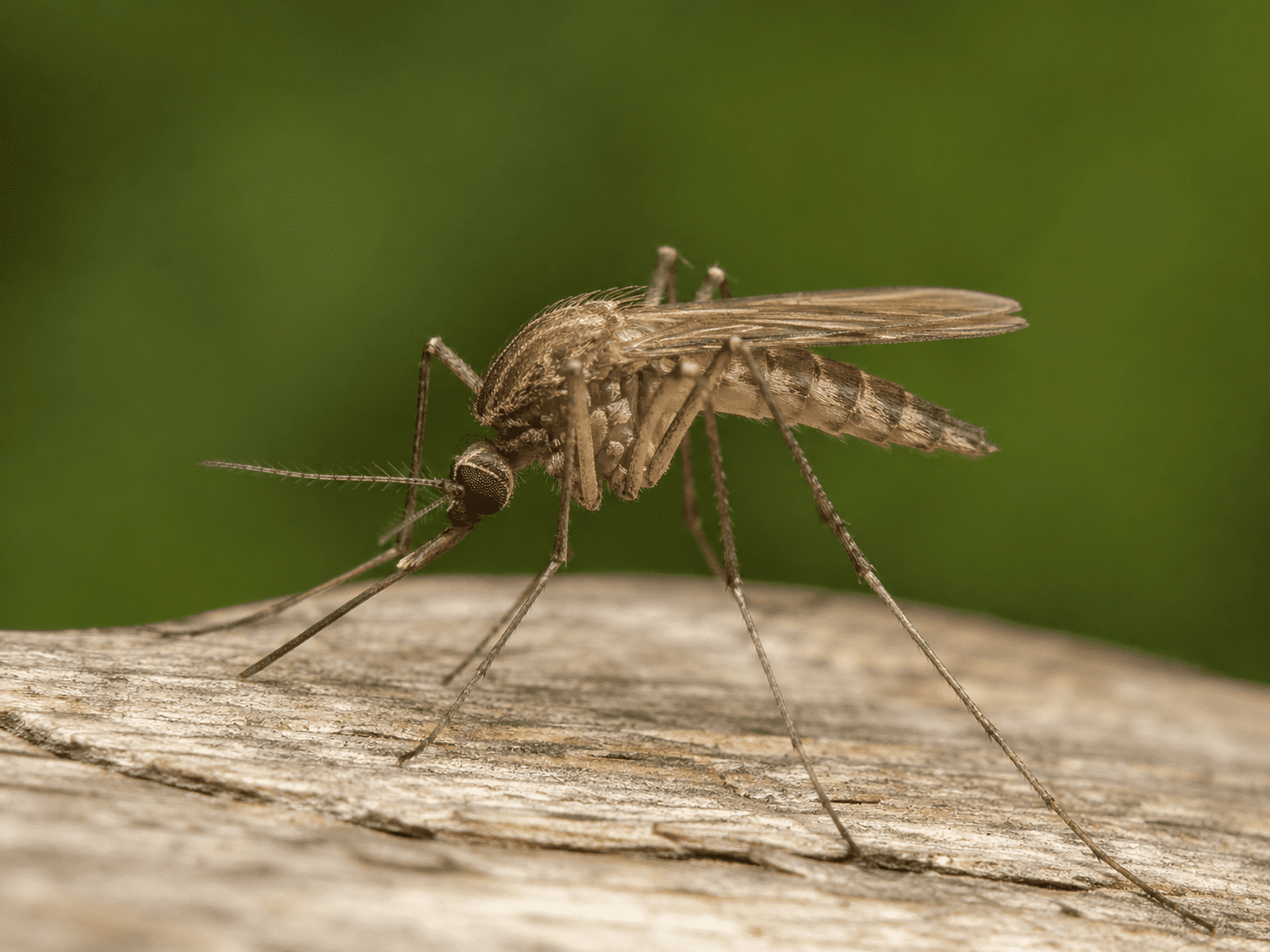
For public-health concerns in Oregon, Culex mosquitoes are some of the most important. Oregon Health Authority says West Nile virus is carried by mosquitoes and can infect humans, horses, and birds. Oregon mosquito-control sources identify Culex tarsalis as one of the most important mosquito species in the state because of its role in transmitting West Nile virus, with Culex pipiens and Culex stigmatasoma also relevant in Oregon.
These mosquitoes are often more active from dusk into the night, and they are commonly associated with stagnant or standing water. In practical terms, that means neglected containers, drainage issues, water-holding low spots, and similar conditions can all help support mosquito pressure around a property.
Aedes sierrensis
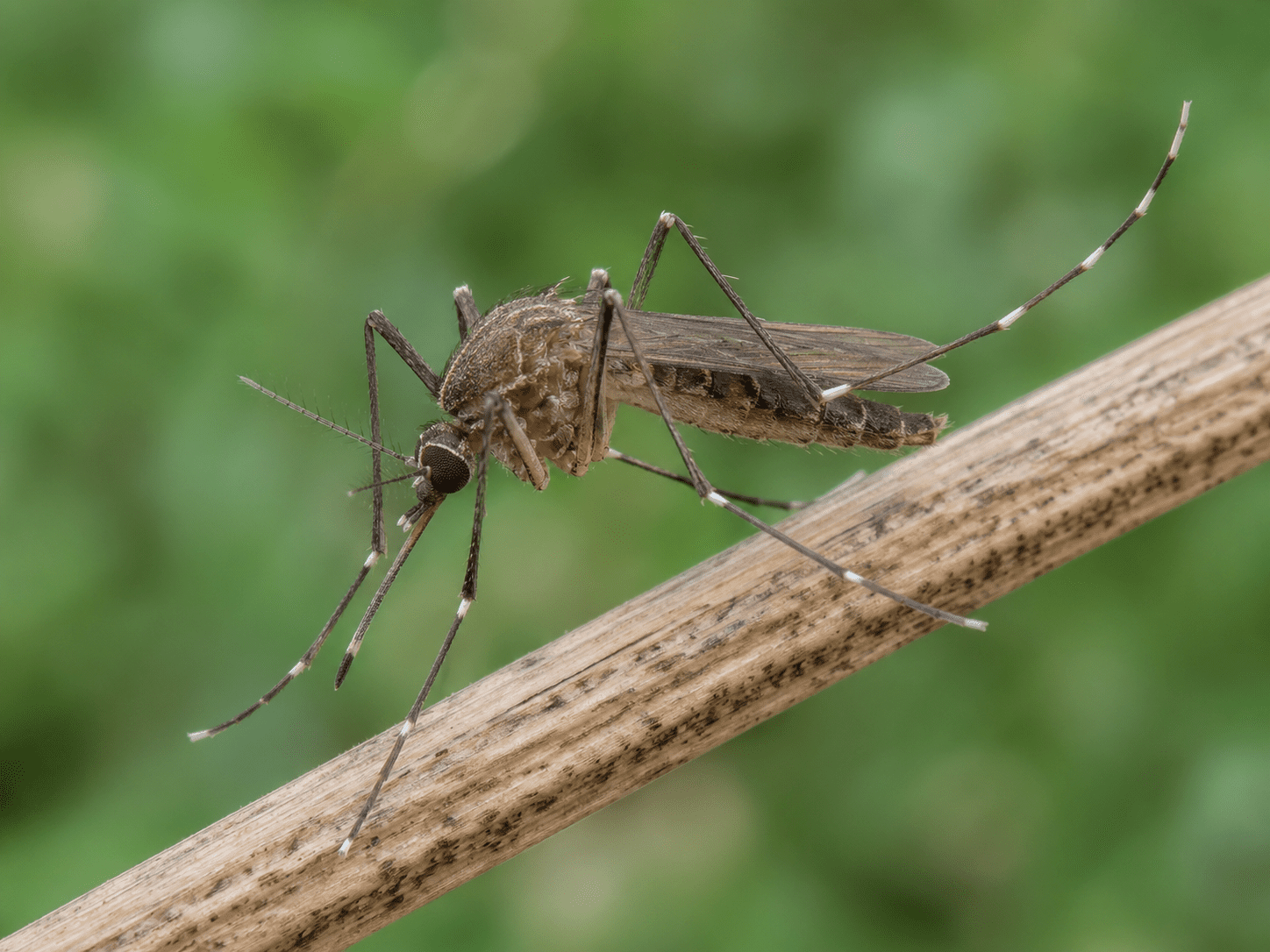
Another mosquito Oregon property owners may run into is Aedes sierrensis, often called the western treehole mosquito. Oregon mosquito-control sources identify it as a common mosquito in the state and note that it is strongly associated with water-holding tree cavities and similar natural sites. It is known more as a daytime nuisance biter than as Oregon’s main human disease concern.
This matters because a treehole mosquito problem can look very different from a typical stagnant-water problem. If the source is natural cavities, wooded shade, or similar habitat, the control approach has to reflect that.
Aedes vexans and Other Nuisance Mosquitoes
Oregon also has Aedes vexans and other nuisance species that can become very noticeable in the right conditions. Oregon mosquito-control sources identify Aedes vexans as a species associated with floodwater zones, and state planning documents have also listed it among Oregon mosquitoes capable of West Nile virus transmission.
For homeowners, that usually means mosquito spikes can be tied to low spots, overwatering, puddling, floodwater patterns, or places where water sits longer than expected.
The Growing Health Concern: Aedes aegypti in Oregon
One of the biggest long-term mosquito concerns in Oregon is Aedes aegypti, the mosquito known for transmitting Zika, dengue, chikungunya, and yellow fever. Oregon Health Authority reported that this species was found in Oregon for the first time in 2024, and OHA said it was found in Oregon again in 2025. OHA also says the mosquito prefers humans, bites during the day, and has been known to carry those viruses in other places.
At the same time, OHA says the current local risk remains low, and there have been no reports of people acquiring those viruses within Oregon from this mosquito. That is an important distinction. The concern is not that Oregon suddenly has widespread local transmission, but that a mosquito species well known for spreading serious diseases has now been detected in the state.
Another reason Aedes aegypti gets attention is that it breeds in very small water sources around homes. Unlike mosquitoes people associate with ponds or marshy areas, this species can use small containers and water-holding items around residential property.
Why Mosquito Treatment Can Vary So Much
This is one of the most important things homeowners should understand: mosquito treatment is not one-size-fits-all.
A property dealing with Culex mosquitoes may need more focus on stagnant water, drainage, and evening mosquito pressure. A property with treehole mosquitoes may need attention on wooded areas, shaded vegetation, and natural water-holding pockets. A concern involving Aedes aegypti-style breeding is different again, because the focus shifts heavily toward tiny container sources close to the home.
That is why a good mosquito service starts with identifying likely source areas instead of only treating adult mosquitoes after they are already flying.
Common Signs of a Mosquito Problem
Many mosquito issues around Oregon homes show up as patterns before anyone finds the exact breeding source.
You may have a mosquito problem if you are noticing:
- repeated biting in the yard or around patios
- mosquito pressure near shaded landscaping
- standing water in containers, drains, or low spots
- worse activity after watering issues or rain
- biting at certain times of day
- ongoing mosquito pressure near trees, brush, or dense vegetation
The timing of the bites can also be a clue. More daytime biting may point toward certain Aedes mosquitoes, while heavier evening and nighttime biting is often more consistent with Culex activity.
Our Mosquito Control Approach with Oregon Department Guidelines
A typical mosquito service may include:
Inspection of Breeding Areas
We look for the places mosquitoes are developing, including containers, clogged drainage areas, low spots, overwatered zones, shaded resting areas, and other hidden water sources.
Targeted Treatment
Treatment is focused on active breeding and resting zones rather than just spraying randomly around the property.
Habitat Reduction Recommendations for Eastern Oregon
Because Oregon Health Authority emphasizes eliminating standing water, part of good mosquito control is helping identify the conditions that keep producing mosquitoes in the first place.
Ongoing Reduction
Some mosquito issues improve quickly once the source is found. Others require repeat attention because the surrounding landscape, irrigation, neighboring conditions, or recurring standing water keeps producing more activity.
How to Help Prevent Mosquitoes Around the Home in the Willamette Valley
There are several practical steps that help reduce mosquito pressure:
- dump standing water regularly
- keep gutters and drains flowing
- change birdbath and pet water often
- remove water from buckets, tarps, toys, planters, and wheelbarrows
- fix irrigation leaks and overwatering
- reduce dense shaded harborage where adult mosquitoes rest
- watch for small container breeding areas near the home
Oregon Health Authority specifically recommends draining standing water and mosquito-proofing the home as part of West Nile prevention.
Schedule Mosquito Control Service in Oregon
If mosquitoes are making it hard to enjoy your yard, patio, or outdoor living space, it is usually best to address the source before the problem builds further. Mosquito pressure often continues because water is being overlooked somewhere on or near the property.
Whether the issue is tied to Culex mosquitoes, treehole mosquitoes, other nuisance Aedes mosquitoes, or concern about Aedes aegypti-style container breeding, we can help identify likely source areas and recommend a treatment plan that fits the situation.